
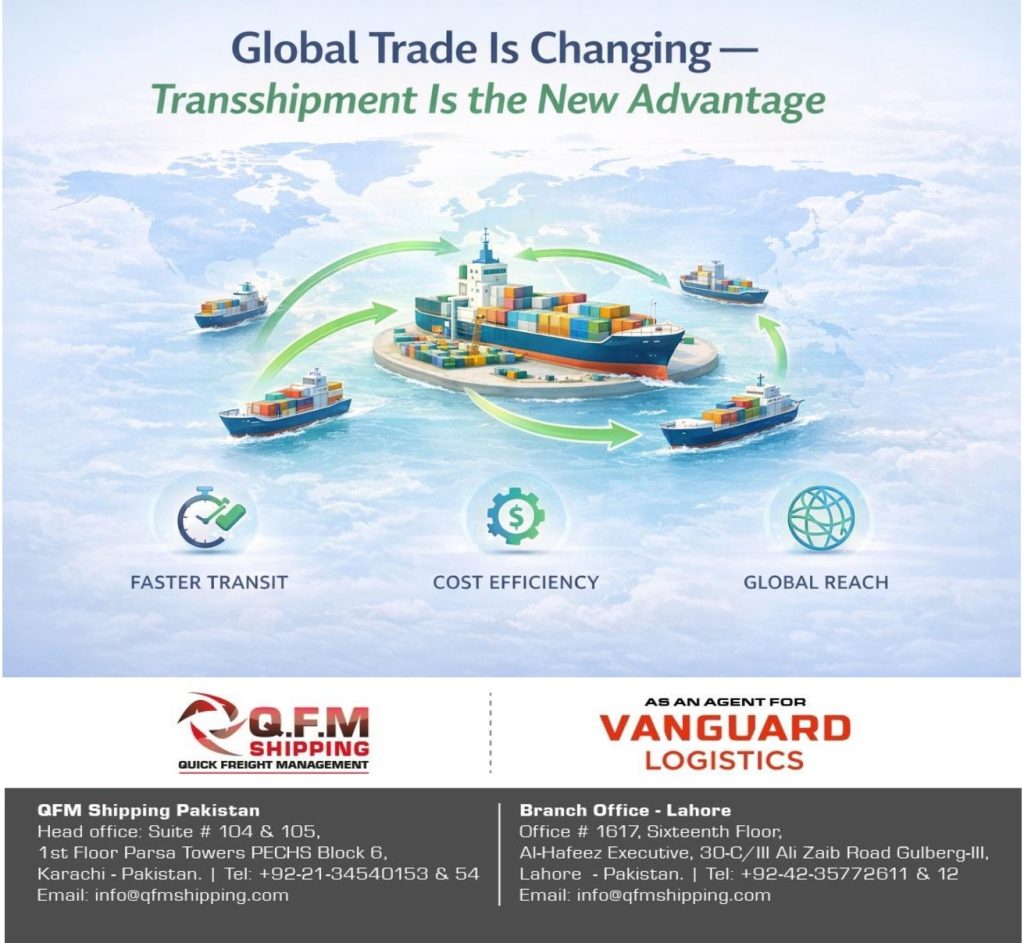
Global Trade Shift: Transshipment Advantage
A New Era in Global Trade
Global trade is undergoing a structural transformation. From geopolitical tensions to supply chain disruptions, traditional shipping routes are no longer as reliable or efficient as they once were.
In this evolving landscape, one strategy is rapidly emerging as a game-changer: transshipment.
The transshipment advantage in global trade is no longer just an operational workaround—it is becoming a strategic necessity for exporters, importers, and logistics providers worldwide.
What Is Transshipment in Modern Logistics?
Transshipment refers to the transfer of cargo from one vessel to another at an intermediate port before reaching its final destination.
Instead of relying solely on direct shipping routes, businesses are increasingly leveraging transshipment hubs to:
- Navigate disrupted trade lanes
- Optimize shipping schedules
- Reduce transit risks
- Improve connectivity across regions
Why Global Trade Is Changing Rapidly
Several macroeconomic and geopolitical factors are driving this shift:
1. Geopolitical Instability
Ongoing conflicts and tensions in key maritime regions are forcing vessels to reroute, increasing transit times and costs.
2. Port Congestion
Major global ports are facing severe congestion, causing delays that ripple across supply chains.
3. Rising Freight Costs
Fuel price volatility, war risk surcharges, and insurance premiums are significantly impacting shipping costs.
4. Supply Chain Diversification
Companies are moving away from single-route dependency and adopting flexible, multi-route strategies.
The Strategic Transshipment Advantage in Global Trade
Transshipment is no longer reactive—it is proactive. Here’s why it is becoming a competitive edge:
1. Faster and More Flexible Routing
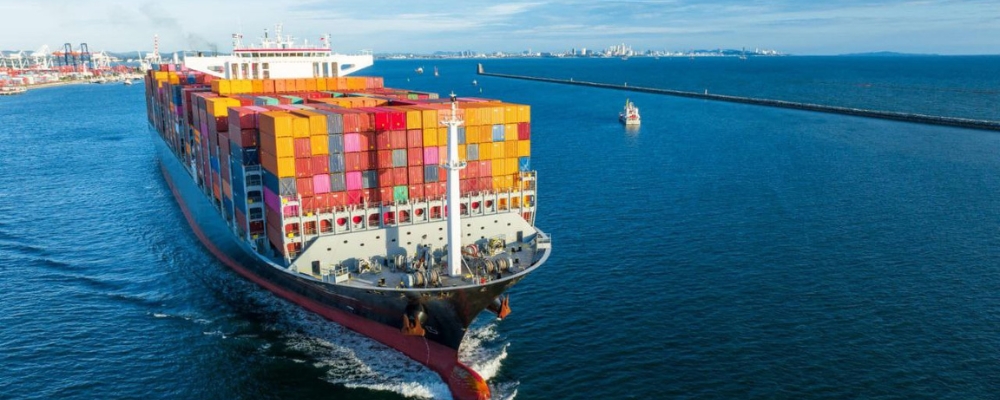
Transshipment allows cargo to bypass congested or high-risk regions by using alternative routes.
Impact:
- Reduced delays
- Improved schedule reliability
- Greater route flexibility
2. Cost Optimization for Exporters
By consolidating cargo at strategic hubs, logistics providers can optimize vessel utilization.
Benefits include:
- Lower freight costs
- Reduced empty container repositioning
- Economies of scale
This makes the transshipment advantage in global trade especially valuable for SMEs and LCL (Less-than-Container Load) shipments.
3. Access to Global Markets
Transshipment connects smaller or regional ports to major global trade lanes.
Result:
- Expanded market reach
- Better connectivity for emerging economies
- Increased export opportunities
4. Risk Mitigation in Uncertain Times
In today’s volatile environment, relying on a single route is risky.
Transshipment enables:
- Diversified routing strategies
- Reduced exposure to geopolitical disruptions
- Better contingency planning
5. Enhanced LCL Shipping Efficiency
For LCL cargo, transshipment hubs act as consolidation centers.
Advantages:
- Faster cargo grouping and movement
- Reduced handling costs
- Improved transit efficiency
This is particularly important for exporters in Pakistan aiming to stay competitive in global markets.
Pakistan’s Emerging Role in Transshipment
Pakistan is rapidly positioning itself as a regional transshipment hub, especially for Middle East and Asia-Pacific trade.
Key developments include:
- Strategic location connecting South Asia, GCC, and Central Asia
- Policy support for international transshipment
- Growing infrastructure at Karachi Port and Port Qasim
This transformation is unlocking new opportunities for exporters looking to leverage the transshipment advantage in global trade.
How QFM Shipping Is Leveraging This Shift
At QFM Shipping, we are actively aligning with global trade changes by offering:
- Neutral LCL transshipment solutions
- Strategic routing through key hubs
- Cost-efficient consolidation services
- Reliable transit planning during disruptions
Our approach ensures that clients not only adapt to global changes but benefit from them.
Future Outlook: Transshipment as the New Standard
The logistics industry is moving toward a more dynamic, hub-and-spoke model.
What to expect:
- Increased reliance on transshipment hubs
- Smarter routing powered by data and analytics
- Greater emphasis on flexibility over direct routes
In this future, transshipment will not just be an option—it will be the default strategy.
Conclusion: Turning Disruption Into Opportunity
Global trade disruptions are not temporary—they are reshaping the industry.
Businesses that adapt quickly will gain a significant competitive advantage.
The transshipment advantage in global trade offers exactly that:
- Speed
- Flexibility
- Cost efficiency
- Resilience
For exporters and logistics partners, the message is clear:
Adapt to transshipment—or risk falling behind.
Call to Action
Looking to optimize your shipping strategy?
Partner with QFM Shipping to leverage the full power of transshipment and stay ahead in a changing global trade environment.
QFM Shipping Pakistan
Karachi : Suite # 104 & 105, 1st Floor Parsa Towers PECHS Block 6 Karachi
Tel: 0092-21-34540153 & 54
Lahore: Suite # 1617, 16th Floor, Al Hafeez Executive Gulberg III, Lahore
Tel: 0092-42-35772611 & 12
Email: pricing.pkkhi@qfmshipping.com
Mobile: 0092-321-8280327
Tags:
transshipment advantage in global trade, global logistics trends, QFM Shipping, LCL transshipment Pakistan, freight cost optimization, shipping disruption solutions, Pakistan transshipment hub, global supply chain strategy,
Read More:
1- How QFM Shipping Pakistan Is Redefining Transshipment in the Region
2- Neutral LCL Transshipment | Secure Trade Confidentiality
3- Pakistan–GCC Transshipment | Faster Routes to GCC
