
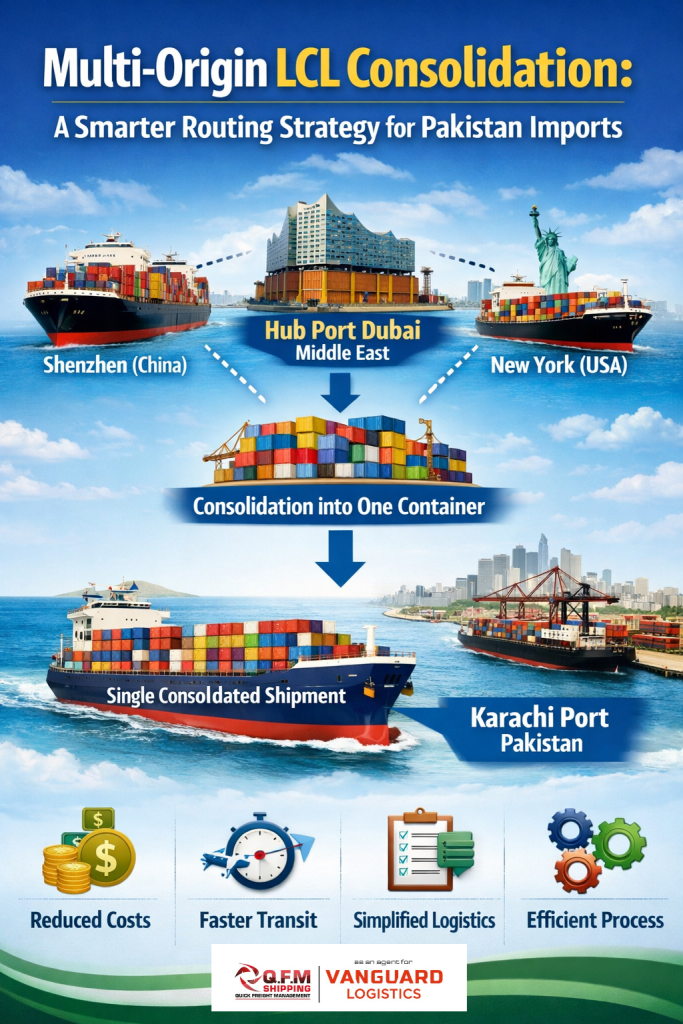
Multi-Origin LCL Consolidation for Pakistan Imports | QFM Shipping Pakistan’s import landscape is evolving rapidly. Today’s importers source raw materials, components, and finished goods from multiple countries—often within the same shipment cycle. Managing these fragmented flows efficiently requires more than traditional freight forwarding. At QFM Shipping, we specialize in multi-origin LCL consolidation—a smarter, network-driven […]
Category Archives: International Transportation
International Transportation, Shipping News
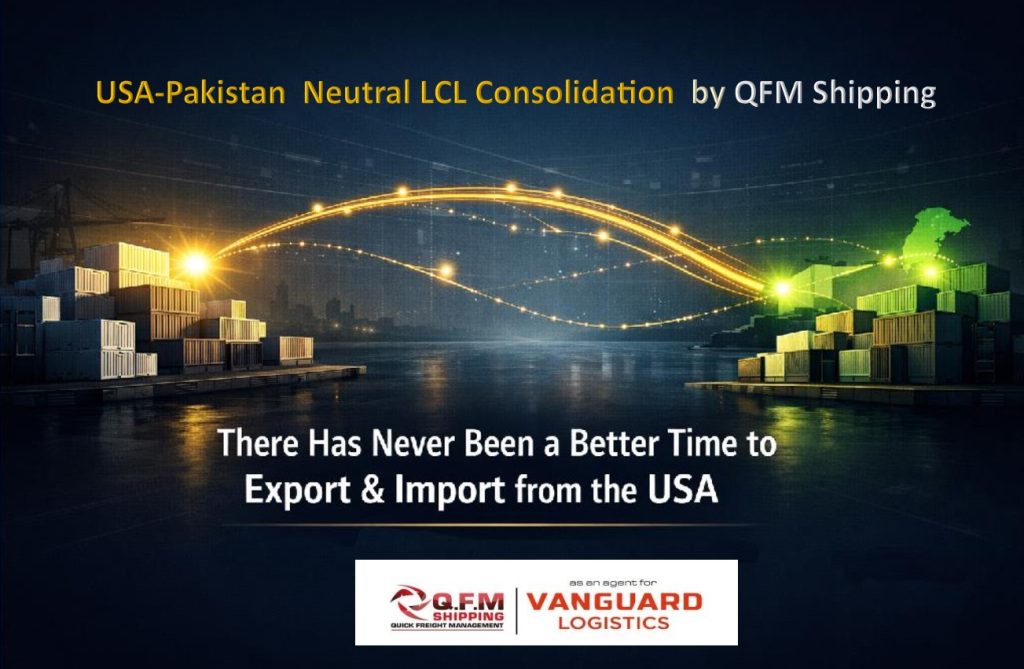
There Has Never Been a Better Time to Export and Import from the USA
18
Jan
Jan
There Has Never Been a Better Time to Export and Import from the USA A USA–Pakistan LCL Perspective by QFM Shipping Introduction: A Structural Shift in Global Trade Global trade is not merely recovering—it is restructuring. Supply chains are becoming more diversified, risk-aware, and network-centric. In this environment, the United States has re-emerged as […]
International Transportation, Shipping News
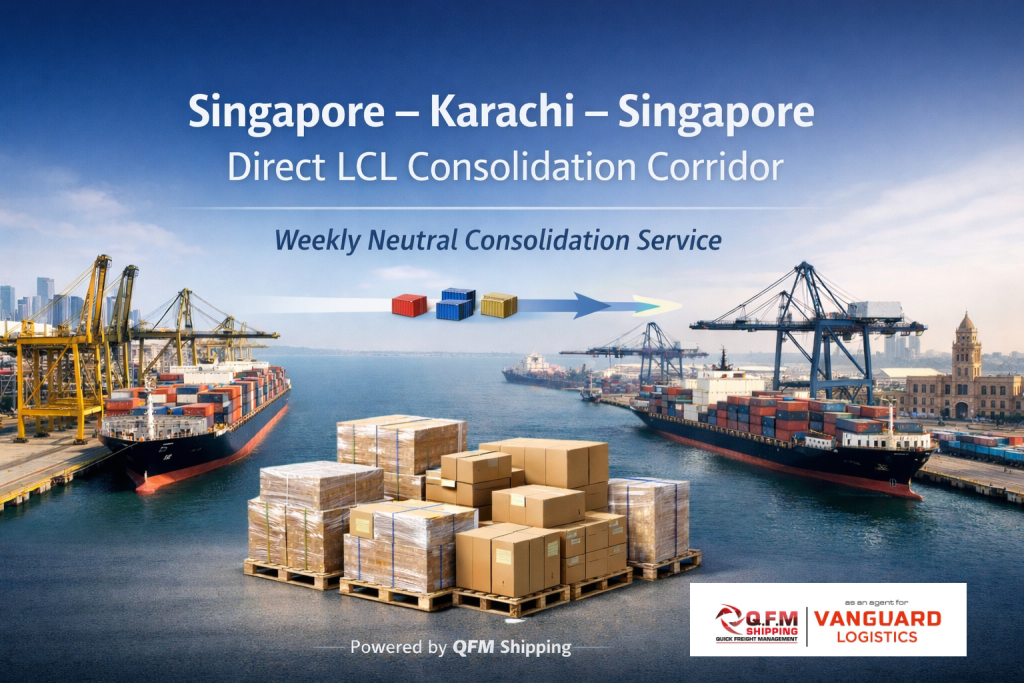
Singapore – Karachi – Singapore Direct LCL Consolidation | QFM Shipping
17
Jan
Jan
Singapore – Karachi – Singapore Direct LCL Consolidation (Weekly) In a freight environment increasingly defined by reliability, neutrality, and cost control, Singapore–Karachi direct LCL consolidation has emerged as a strategic trade corridor for Pakistan’s importers, exporters, and freight forwarders. Operated by QFM Shipping, this weekly service delivers a network-centric, neutral LCL solution designed to support […]
International Transportation, Shipping News
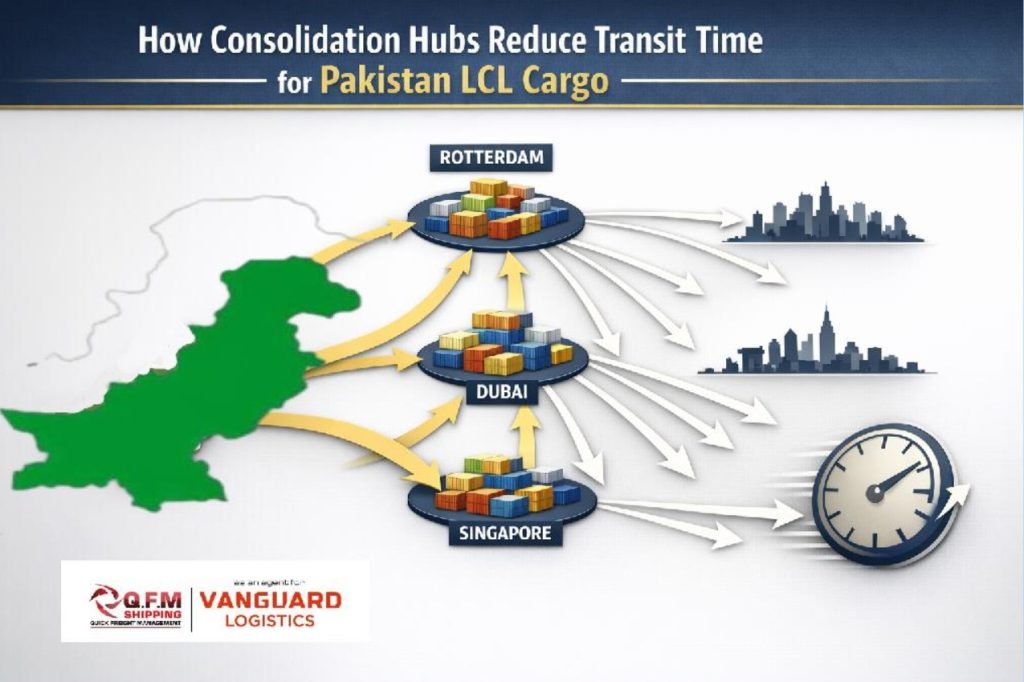
How Consolidation Hubs Reduce Transit Time for Pakistan LCL Cargo
16
Jan
Jan
How Consolidation Hubs Reduce Transit Time for Pakistan LCL Cargo A Network-Centric Perspective by QFM Shipping In today’s time-sensitive global trade environment, speed and predictability are no longer optional for Less-than-Container Load (LCL) shipments. For Pakistan’s exporters and importers, fragmented routing and ad-hoc transshipments often result in extended transit times, missed connections, and supply-chain uncertainty. […]
International Transportation, Shipping News
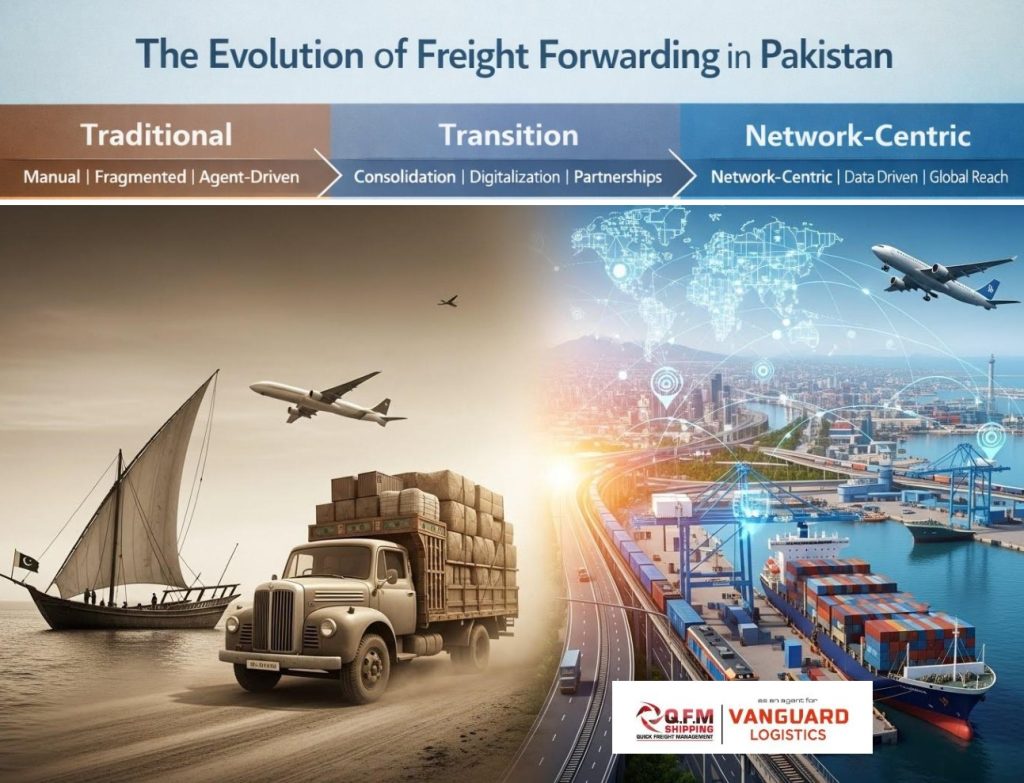
The Evolution of Freight Forwarding in Pakistan: From Traditional to Network-Centric Models
14
Jan
Jan
The Evolution of Freight Forwarding in Pakistan: From Traditional to Network-Centric Models (and the Role of QFM Shipping) Freight forwarding in Pakistan has moved from relationship-led, paper-heavy operations to a more integrated, technology-enabled, network-centric model. This evolution is being driven by shifts in global trade requirements, customer expectations for visibility and speed, the rise of […]
International Transportation, Shipping News
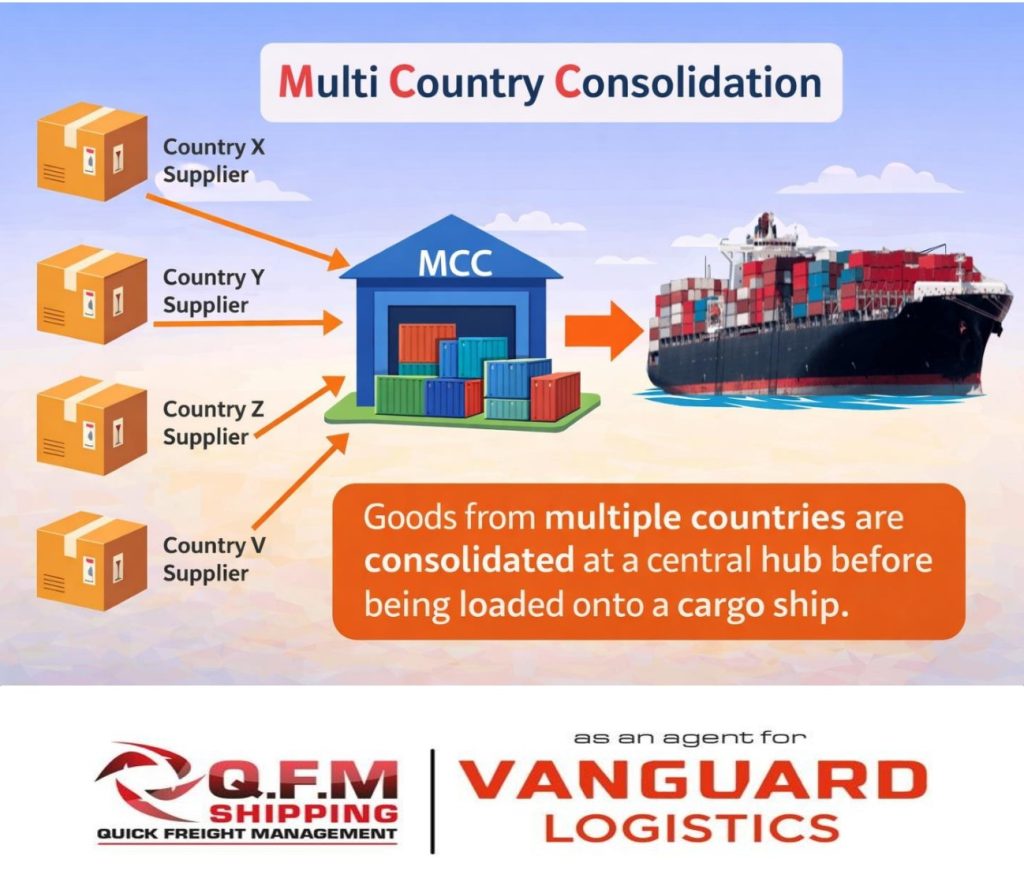
What Is MCC in Logistics and Why It Is Critical for Pakistan Trade
14
Jan
Jan
What Is MCC (Multi-Country Consolidationin) Logistics and Why It Is Critical for Pakistan Trade Introduction: Why MCC Matters More Than Ever for Pakistan In today’s fragmented global supply chains, shippers are under constant pressure to reduce costs, improve transit reliability, and access multiple sourcing markets simultaneously. For Pakistan—a country heavily dependent on imported raw […]
International Transportation, Shipping News
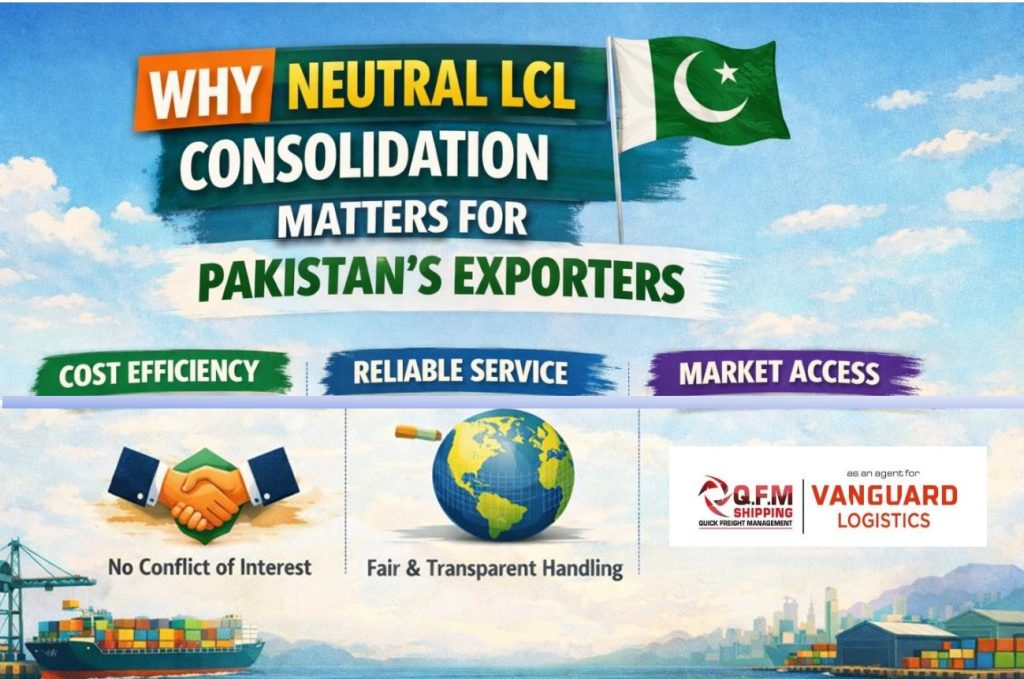
Why Neutral LCL Consolidation Matters for Pakistan’s Exporters
13
Jan
Jan
Why Neutral LCL Consolidation Matters for Pakistan’s Exporters Pakistan’s export sector—spanning textiles, pharmaceuticals, surgical instruments, sports goods, FMCG, and SMEs—relies heavily on Less than Container Load (LCL) shipments. However, not all LCL models are equal. Increasingly, exporters are discovering that Neutral LCL Consolidation is not just a logistics preference, but a strategic necessity. This […]
International Transportation, Shipping News
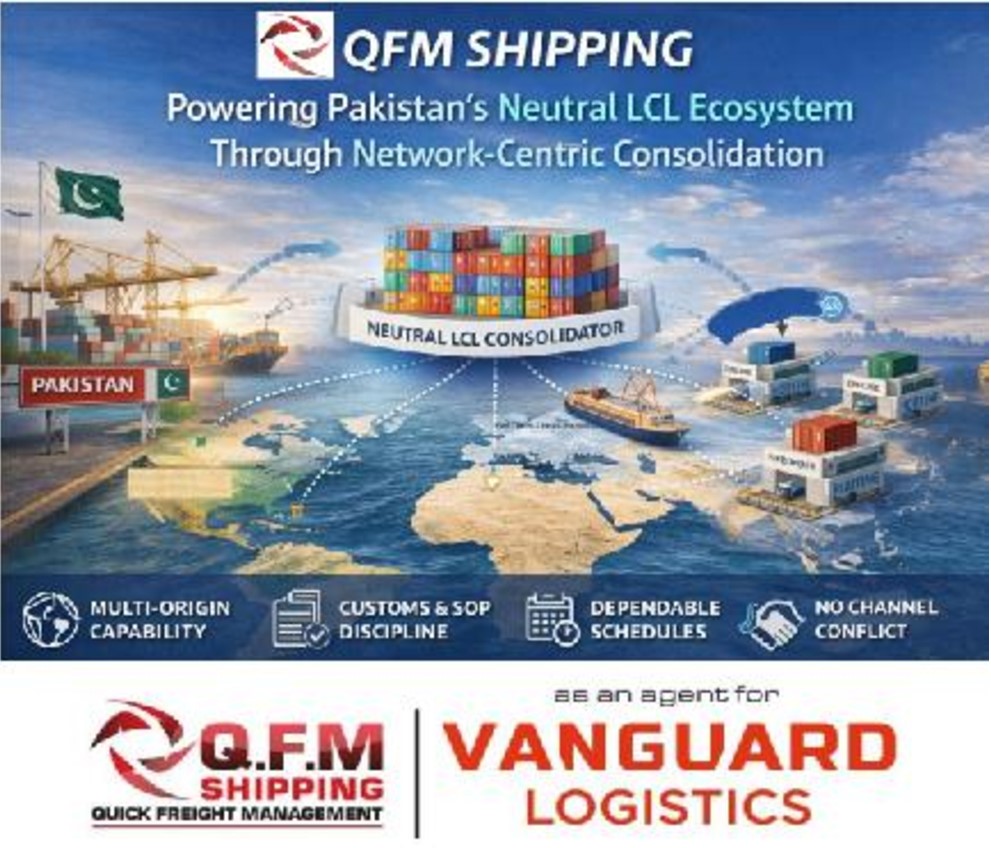
QFM Shipping | Powering Pakistan’s Neutral LCL Ecosystem Through Network-Centric Consolidation
12
Jan
Jan
QFM Shipping | Powering Pakistan’s Neutral LCL Ecosystem Through Network-Centric Consolidation In an era where supply chains are increasingly fragmented, shipment sizes are shrinking, and reliability matters more than spot pricing, QFM Shipping has positioned itself distinctly within Pakistan’s logistics landscape. Rather than operating as a conventional, customer-facing freight forwarder, QFM Shipping functions as […]
International Transportation, Shipping News
Importing to Pakistan via Neutral Consolidation Hubs | QFM Shipping
11
Jan
Jan
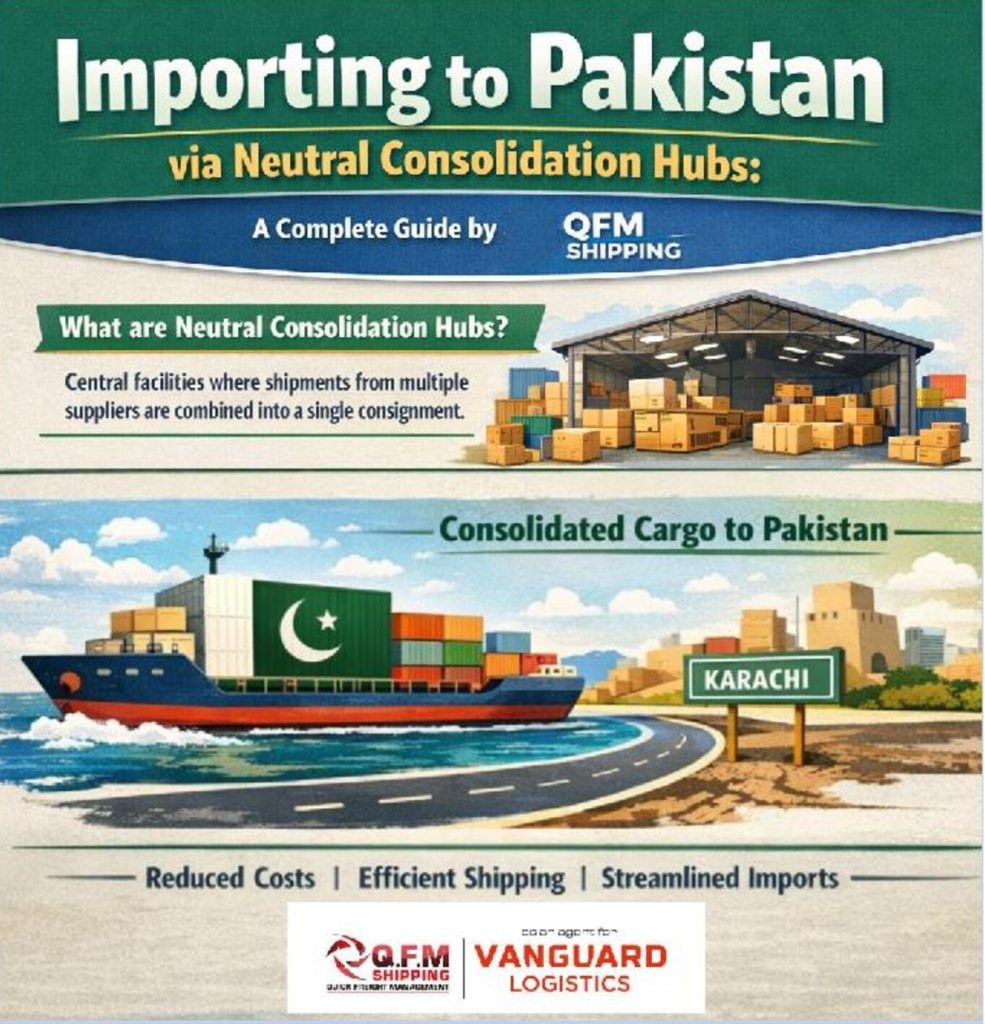
Importing to Pakistan via Neutral Consolidation Hubs: A Complete Guide by QFM Shipping Introduction Importing goods into Pakistan has become increasingly complex due to fragmented supplier bases, rising freight costs, and the need for predictable transit schedules. For importers sourcing from multiple origins—China, Southeast Asia, the Middle East, USA or Europe—neutral consolidation hubs provide […]
International Transportation, Shipping News
MCC in Logistics | How QFM Shipping Connects Pakistan Globally
09
Jan
Jan
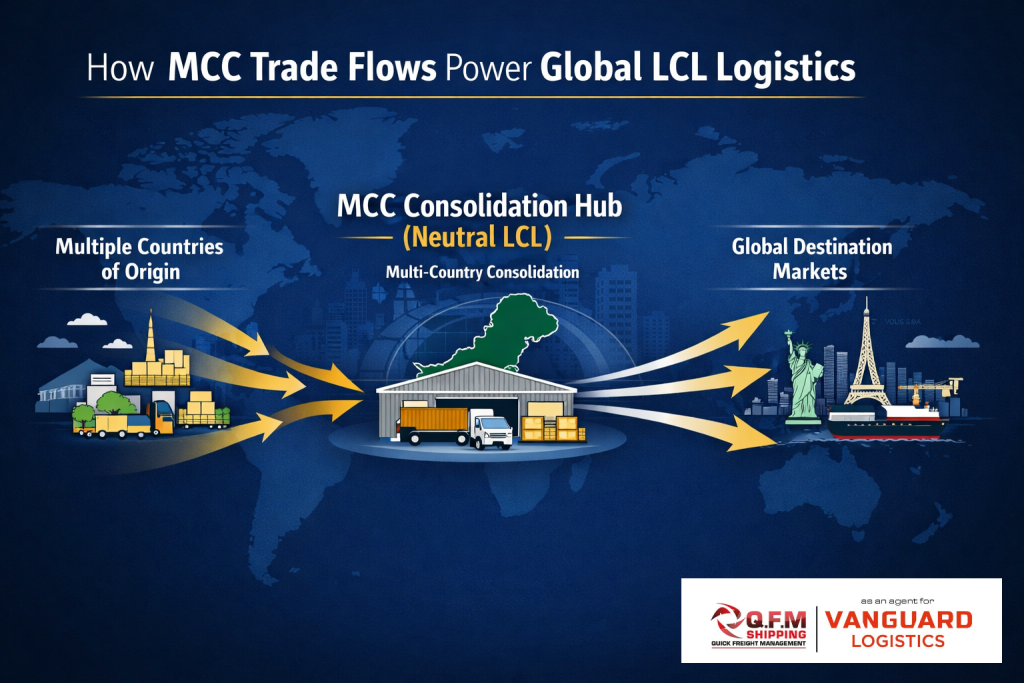
What Is MCC (Multi-Country Consolidation) in Logistics and How QFM Shipping Connects Pakistan to the World Why MCC in Logistics Is Gaining Global Importance Global supply chains have shifted dramatically over the last decade. Manufacturers, traders, and SMEs increasingly source, produce, and ship goods from multiple countries at once, yet still expect predictable transit times, […]