
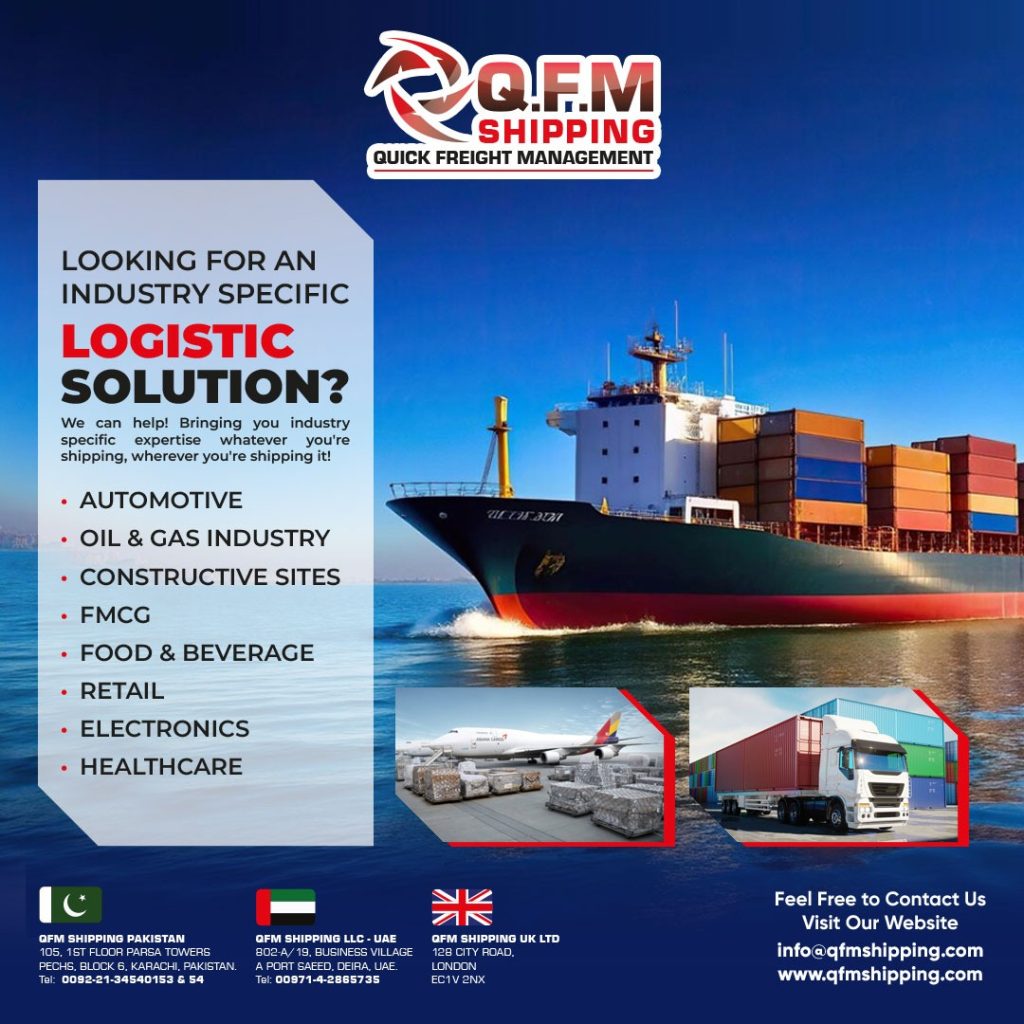
Are you looking for an Industry-specific Logistic Solution? In today’s rapidly changing business environment, having a tailored logistics strategy is essential for success in logistic industry and meeting customer demands. From automotive to healthcare, each sector has distinct requirements that call for specialized logistics solutions. This article will deal into various industries, exploring how specific logistics strategies can enhance operational efficiency and drive business growth.
Are you looking for an Industry-specific Logistic Solution
In the modern business domain, generic logistics solutions often fall short of addressing unique challenges faced by specific industries. Whether it’s the FMCG sector’s need for rapid distribution or the precision required in the healthcare industry, tailored logistics strategies are critical for success.
When considering the question, “Are you looking for an Industry-specific Logistic Solution?” it’s essential to understand your industry’s specific needs and how these can be met through dedicated services. Logistics is not just about moving goods from point A to point B; it encompasses inventory management, supply chain optimization, compliance with regulations, and much more.
Understanding Industry-specific Needs
Industry-specific logistics involves understanding the nuances and regulations that govern each sector. For instance, the pharmaceutical industry has stringent requirements regarding temperature control and tracking, while the automotive sector requires just-in-time delivery to maintain production schedules.
To effectively meet these complexities, logistics companies must offer solutions that are not only efficient but also compliant with industry standards. This means investing in technology and processes that allow for better tracking, visibility, and agility within the supply chain.
Importance of Customization
Customization is key when developing logistics solutions. One-size-fits-all approaches can lead to inefficiencies and increased costs. By focusing on the unique characteristics of each industry, companies can create tailored logistics strategies that maximize efficiency and minimize waste.
Logistics compnies like QFM Shipping Logistics thrive by delivering customized services that align with their clients’ operational goals. Their expertise allows businesses to save time, reduce costs, and ultimately improve service delivery to end customers.
QFM Shipping Logistics
QFM Shipping Logistics is a leading provider of industry-specific logistics solutions. With a commitment to excellence, they offer a suite of services designed to meet the diverse needs of various sectors.
Comprehensive Service Offerings
QFM Shipping Logistics provides a range of services that include:
- Freight Management: Expert handling of cargo transport, ensuring timely delivery.
- Warehousing Solutions: State-of-the-art facilities equipped to manage specific inventory requirements.
- Supply Chain Optimization: Streamlining processes to enhance efficiency and reduce costs.
By offering a comprehensive range of services, QFM Shipping Logistics ensures that businesses can find tailored solutions that fit their unique logistical challenges.
Advanced Technology Integration
In the present digital age, technology plays an important role in enhancing logistics operations. QFM Shipping Logistics utilizes advanced technologies such as:
- Real-time Tracking Systems: Allowing clients to monitor shipments at every stage.
- Data Analytics: Providing insights into shipping patterns and areas for improvement.
- Inventory Management Tools: Helping businesses maintain optimal stock levels without overextending resources.
The integration of these technologies not only improves operational efficiency but also enhances customer satisfaction by providing transparency and reliability throughout the shipping process.
Client-Centric Approach
At the heart of QFM Shipping Logistics’ success is its client-centric approach. They prioritize creating long-term partnerships with businesses across various sectors. Their teams work closely with clients to understand their goals and challenges, allowing them to tailor logistics solutions accordingly.
This personalized attention helps clients navigate the complexities of their respective industries and achieve their objectives more efficiently. By fostering strong relationships, QFM Shipping Logistics becomes not just a service provider but a vital partner in their clients’ growth journeys.
Automotive
The automotive industry is one of the most dynamic and complex sectors when it comes to logistics management. With a global supply chain that spans continents, automotive manufacturers face numerous challenges that require specialized logistics solutions.
Just-In-Time Delivery
One of the core principles in automotive logistics is Just-In-Time (JIT) delivery. This approach aims to minimize inventory holding costs by aligning the arrival of materials with production schedules.
By implementing JIT, automotive companies can reduce waste and increase efficiency. However, this method requires precise coordination between suppliers and manufacturers, ensuring that parts arrive exactly when needed. Failure to do so can halt production lines, leading to significant financial losses.
Supply Chain Complexity
The automotive supply chain is notorious for its complexity. Manufacturers source components from multiple suppliers worldwide, each with its own set of challenges. As a result, logistics providers must be adept at managing multi-tiered supply chains while ensuring compliance with regulations and industry standards.
Effective communication and collaboration are essential in this regard. Logistics solutions tailored for the automotive industry often include robust tracking systems that provide visibility into the entire supply chain, allowing stakeholders to make informed decisions quickly.
Sustainability Initiatives
Sustainability is becoming increasingly important in the automotive sector. As consumers demand greener products, manufacturers are looking for ways to reduce their carbon footprint.
Logistics providers can assist in this transformation by optimizing transportation routes, using eco-friendly packaging, and implementing energy-efficient practices within warehouses. By prioritizing sustainability, automotive companies can not only meet regulatory requirements but also appeal to environmentally conscious consumers.
Oil and Gas Industry
The oil and gas industry is another sector that faces unique logistical challenges due to its inherent risks and regulatory requirements. Efficient logistics solutions are crucial for maintaining safety and profitability in this high-stakes environment.
Transportation Challenges
Transporting oil and gas involves dealing with hazardous materials, which requires strict adherence to safety protocols and regulations. Logistics providers must have specialized equipment and trained personnel to handle these materials safely.
Additionally, companies must navigate varying regulations across different countries and regions. This complexity necessitates logistics solutions that are adaptable and compliant with local laws, ensuring safe and efficient transportation.
Supply Chain Flexibilities
Given the volatility of the oil and gas market, companies must build flexable supply chains capable of adapting to fluctuations in demand and prices. This often involves diversifying suppliers and refining logistics strategies to mitigate risks.
Logistics solutions tailored for the oil and gas industry focus on establishing redundancy in transportation and storage options, allowing companies to respond quickly to sudden changes in the market landscape.
Technological Advancements
Innovations in technology are transforming logistics in the oil and gas sector. The adoption of IoT devices enables real-time monitoring of equipment and cargo, allowing for proactive maintenance and risk management.
Furthermore, data analytics tools provide insights into operational efficiency, helping companies optimize routes and reduce costs. By leveraging technology, logistics providers can enhance the overall effectiveness of supply chain operations in the oil and gas industry.
FMCG
The Fast-Moving Consumer Goods (FMCG) sector operates on tight margins and fast-paced turnover. Effective logistics solutions are paramount for FMCG companies to remain competitive in this crowded marketplace.
Speed and Efficiency
Speed is essential in the FMCG industry, where customer preferences can change overnight. Companies must ensure that products are delivered quickly and efficiently to meet consumer demand.
Logistics providers specializing in FMCG often implement automated warehousing solutions and smart inventory management systems to speed up the fulfillment process. These systems enable businesses to maintain optimal stock levels and avoid stockouts, ensuring consumers always have access to their favorite products.
Distribution Network Optimization
Creating an effective distribution network is critical in the FMCG sector. Logistics companies must identify the best routes and methods for delivering goods to retailers and consumers alike.
This often involves analyzing data on sales trends, geographic locations, and transportation costs to determine the most efficient distribution strategies. By optimizing their networks, FMCG companies can reduce transportation expenses and improve service levels.
E-commerce Integration
With the rise of online shopping, FMCG companies must adapt their logistics strategies to accommodate e-commerce growth. This includes developing efficient last-mile delivery systems that ensure products reach consumers swiftly and safely.
Logistics providers can assist FMCG businesses in navigating the complexities of e-commerce logistics by offering tailored solutions that integrate seamlessly with existing operations. This includes developing fulfillment centers strategically located for optimal delivery speed.
Food & Beverage
The logistics of the food and beverage industry pose unique challenges due to strict regulations and the perishable nature of products. Logistics solutions must ensure food safety and quality while maintaining efficiency.
Cold Chain Management
Cold chain logistics is crucial in the food and beverage sector, as many products require specific temperature controls throughout shipping and storage.
Logistics providers must utilize specialized equipment, such as refrigerated trucks and temperature-controlled warehouses, to maintain product integrity. Additionally, real-time monitoring systems help ensure compliance with safety standards and provide peace of mind to both producers and consumers.
Regulatory Compliance
Food and beverage companies operate under stringent regulations concerning safety and labeling. Logistics providers must be well-versed in these regulations to ensure compliance throughout the supply chain.
This often involves meticulous record-keeping and documentation to track the movement of goods. Logistics solutions tailored for this industry emphasize transparency and accountability, allowing companies to demonstrate compliance during audits.
Flexibility in Operations
The food and beverage industry can experience fluctuations in demand based on seasonal trends and consumer preferences. Logistics providers must maintain flexibility in their operations to adapt to these changes quickly.
This may involve adjusting transportation routes or increasing storage capacity during peak seasons. Tailored logistics solutions can help companies respond to these challenges while minimizing costs and maximizing service levels.
Retail
The retail sector is characterized by rapid changes in consumer behavior and expectations. Tailored logistics solutions are essential for retailers to keep pace and deliver exceptional customer experiences.
Omnichannel Fulfillment
Consumers now expect seamless shopping experiences across multiple channels—online, in-store, and mobile. Retailers must develop omnichannel logistics strategies that enable efficient fulfillment regardless of where the sale occurs.
Logistics providers can assist in optimizing inventory allocation and order fulfillment processes to support omnichannel strategies. This includes integrating warehouse management systems that ensure products are readily available for immediate shipment.
Return Management
Returns are a significant consideration in retail logistics. Efficient return management processes can enhance customer satisfaction while minimizing costs for retailers.
Logistics solutions catering to the retail sector often include streamlined return procedures that simplify the process for consumers. This includes pre-paid return labels and convenient drop-off locations, enabling retailers to manage returns more effectively.
Demand Forecasting
Understanding consumer demand is critical for retail success. Logistics providers can utilize data analytics tools to help retailers forecast demand trends accurately.
By analyzing historical sales data and current market conditions, logistics solutions can ensure that retailers maintain optimal inventory levels, reducing the risk of overstocking or stockouts.
Health Care
In the healthcare industry, logistics plays a pivotal role in ensuring that medical supplies and equipment are delivered safely and efficiently. The stakes are high, as delays can impact patient care and outcomes.
Temperature-Sensitive Shipments
Many medical products, including pharmaceuticals and vaccines, require strict temperature controls to ensure efficacy. Logistics providers specializing in healthcare must have the capabilities to manage these temperature-sensitive shipments.
This includes employing advanced cold chain strategies and utilizing real-time monitoring systems to track temperatures throughout the supply chain. By ensuring compliance with regulations, healthcare logistics can protect patient safety and product integrity.
Regulatory Compliance
Healthcare logistics must adhere to strict regulations set forth by governing bodies. This includes guidelines on transportation, storage, and handling of medical products.
Logistics providers need to stay updated on evolving regulations to ensure compliance, particularly when operating internationally. Tailored logistics solutions can help healthcare companies navigate these complexities while maintaining high standards of safety and quality.
Emergency Preparedness
The healthcare sector must be prepared for emergencies, whether natural disasters or public health crises. Logistics providers can assist healthcare organizations in developing contingency plans that ensure the uninterrupted flow of essential supplies during crises.
This may involve establishing emergency stockpiles and diversifying suppliers to mitigate risks. By prioritizing preparedness, healthcare logistics can safeguard patient care in challenging situations.
Electronics
The electronics industry presents unique logistical challenges due to rapid technological advancements and the need for precision in supply chain operations.
Fast Turnaround Times
Electronics manufacturers often operate on tight timelines, requiring quick turnaround times for production and distribution. This necessitates highly efficient logistics solutions that can adapt to changing demands.
Logistics providers specializing in electronics must implement agile supply chain strategies that allow for quick adjustments to production schedules and shipping timelines. By staying ahead of market trends, companies can maintain competitiveness.
Global Supply Chain Coordination
The electronics industry relies heavily on global supply chains, with components sourced from various countries. Managing these complex supply chains requires expert coordination and communication between suppliers and manufacturers.
Logistics solutions tailored for the electronics sector often incorporate advanced tracking systems that provide visibility into every step of the supply chain. This transparency enables companies to identify potential bottlenecks and address issues proactively.
Sustainability Practices
With growing concerns over electronic waste and environmental impact, sustainability practices are increasingly important in the electronics industry. Logistics providers can help companies implement green initiatives, such as recycling programs and eco-friendly packaging.
By prioritizing sustainability, electronics manufacturers can not only meet regulatory expectations but also appeal to environmentally conscious consumers who seek responsible products.
Construction Materials
The logistics of construction materials involves transporting large and heavy items to various job sites. Efficient logistics solutions are critical for keeping projects on schedule and within budget.
Heavy Equipment Transportation
Transporting construction materials often involves dealing with oversized or heavy equipment that requires specialized vehicles and permits. Logistics providers must be well-versed in regulations pertaining to heavy equipment transportation to ensure compliance.
This includes planning optimal routes and securing necessary permits ahead of time. By establishing efficient transportation strategies, construction companies can minimize downtime and keep projects on track.
Inventory Management
Construction projects rely on timely delivery of materials to maintain workflow. Logistics solutions focused on construction materials must incorporate robust inventory management practices to prevent delays.
This includes coordinating with suppliers to ensure adequate stock levels and implementing tracking systems to monitor inventory movement. By maintaining optimal inventory levels, construction firms can avoid costly project delays and penalties.
Job Site Logistics
Managing logistics on a construction site can be complex due to the number of moving parts involved. Logistics providers can assist in streamlining job site operations by coordinating deliveries and ensuring that materials arrive when needed.
Effective job site logistics also involve establishing clear communication channels between contractors, suppliers, and logistics teams. This collaborative approach enhances efficiency and minimizes disruptions during the construction process.
Conclusion
In conclusion, the need for Industry-specific Logistic Solutions cannot be overstated. Each sector, from automotive to healthcare, presents unique challenges that require tailored logistics strategies. Companies like QFM Shipping Logistics offer comprehensive, innovative solutions that cater to the specific needs of various industries. By focusing on customization, technology integration, and client relationships, businesses can navigate the complexities of logistics with greater efficiency and success. Ultimately, adopting industry-specific logistics solutions empowers businesses to enhance operational performance, meet customer expectations, and drive sustainable growth.
QFM SHIPPING – Your Trusted Logistics Partner
📞 Contact our Sales team today to get special deals!
QFM SHIPPING PAKISTAN
SUITE # 104 & 105 PARSA TOWERS
PECHS BLOCK 6 KARACHI PAKISTAN
TEL: +92-21-34540153 & 54
E-mail: sales.pkkhi@qfmshipping.com
Web: www.qfmshipping.com
