
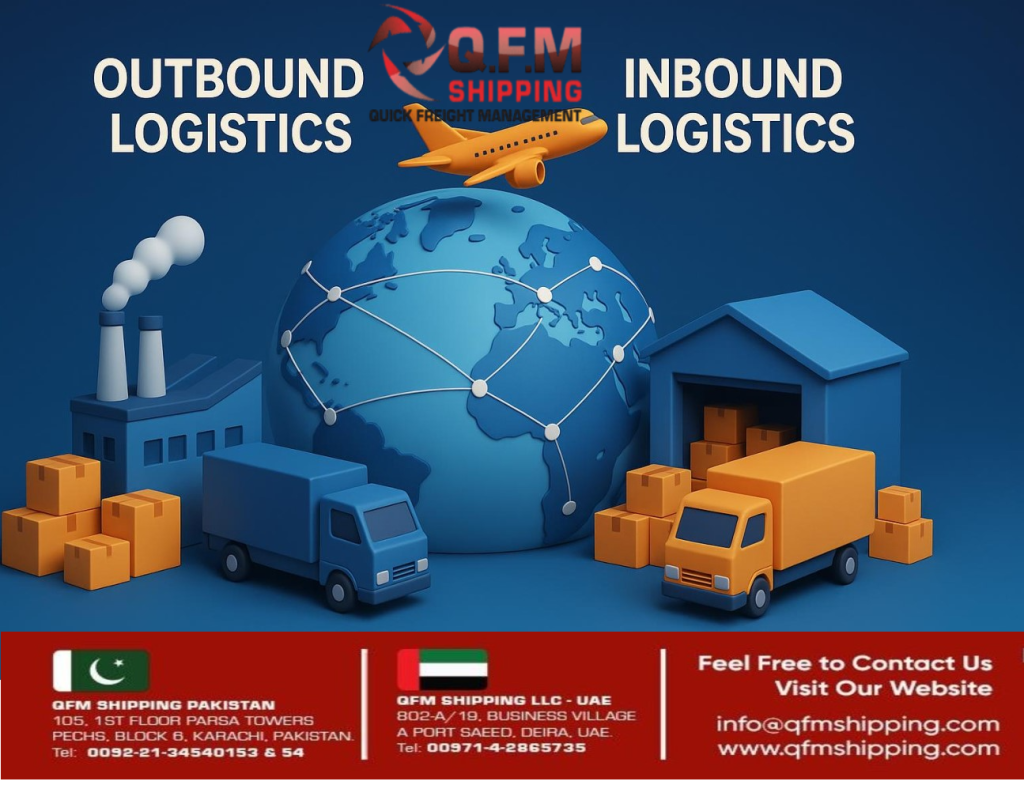
In the world of supply chain management, logistics play a crucial role in ensuring that goods move efficiently from origin to destination. Two primary components of this process are inbound logistics and outbound logistics. Understanding the distinction between the two—and knowing how to measure their performance—is vital for businesses aiming to streamline operations, reduce costs, and enhance customer satisfaction.
What is Inbound Logistics?
Inbound logistics refers to the movement of goods, materials, and supplies into a business. It encompasses the sourcing, transportation, receiving, and storage of products that are needed for manufacturing or assembly.
Key Elements of Inbound Logistics:
- Supplier coordination
- Procurement and purchasing
- Transportation of raw materials
- Inventory management and warehousing
- Quality control upon arrival
For example, a car manufacturer receiving steel, rubber, and electronics from various suppliers is engaging in inbound logistics.
What is Outbound Logistics?
Outbound logistics deals with the distribution of finished products from a company to the end customer or retailer. It involves processes that ensure the right product reaches the right customer on time.
Key Elements of Outbound Logistics:
- Order processing
- Packaging and labeling
- Warehousing of finished goods
- Transportation and distribution
- Customer delivery and service
For instance, delivering assembled cars to dealerships across the country is an outbound logistics process.
Key Differences Between Inbound and Outbound Logistics
| Feature | Inbound Logistics | Outbound Logistics |
| Purpose | Brings raw materials into the company | Moves finished goods out to customers |
| Focus | Supplier management | Customer satisfaction |
| Main Activities | Receiving, quality control, inventory of inputs | Packaging, shipping, delivery |
| Stakeholders | Suppliers, procurement teams | Distributors, sales teams, customers |
| Challenges | Supply delays, material shortages | On-time delivery, customer service |
Performance Metrics for Inbound and Outbound Logistics
Inbound Logistics Metrics:
- Supplier Lead Time
- Measures the time between placing an order and receiving it.
- Shorter lead times suggest efficient supplier performance.
- Inbound Freight Cost
- Tracks the total cost of transporting raw materials.
- Helps identify opportunities for cost reduction.
- Receiving Accuracy Rate
- Indicates how often goods are received in the correct quantity and condition.
- Inventory Turnover Ratio
- Measures how frequently inventory is used and replenished.
- Dock-to-Stock Time
- Time taken to move items from receiving to usable inventory.
Outbound Logistics Metrics:
- Order Accuracy Rate
- Percentage of orders delivered correctly without errors.
- On-Time Delivery Rate
- Measures how often products are delivered on or before the promised date.
- Transportation Cost per Unit
- Total cost of outbound logistics divided by number of units shipped.
- Customer Satisfaction Score (CSAT)
- Gauges customer experience with delivery and product condition.
- Return Rate
- Measures the percentage of products returned due to damage or delivery errors.
Why It Matters: Optimizing Both Sides
Businesses that optimize both inbound and outbound logistics gain a significant competitive edge. Efficient inbound logistics ensures smooth production, while strong outbound logistics ensures satisfied customers and repeat business.
Integration between the two also leads to:
- Better inventory management
- Lower operational costs
- Improved supply chain visibility
- Faster response to market demand
Conclusion
Inbound and outbound logistics are two halves of the same supply chain coin. Understanding their unique functions, recognizing their key differences, and monitoring performance through specific metrics allows companies to build resilient, efficient, and customer-focused logistics systems. Investing in technology, analytics, and strong partnerships across both domains will ultimately drive long-term success in any supply-driven business.
Global shipping, made local. Global logistics, made simple.
That’s the QFM Shipping promise.
Contact QFM Shipping today and experience logistics reimagined.
