
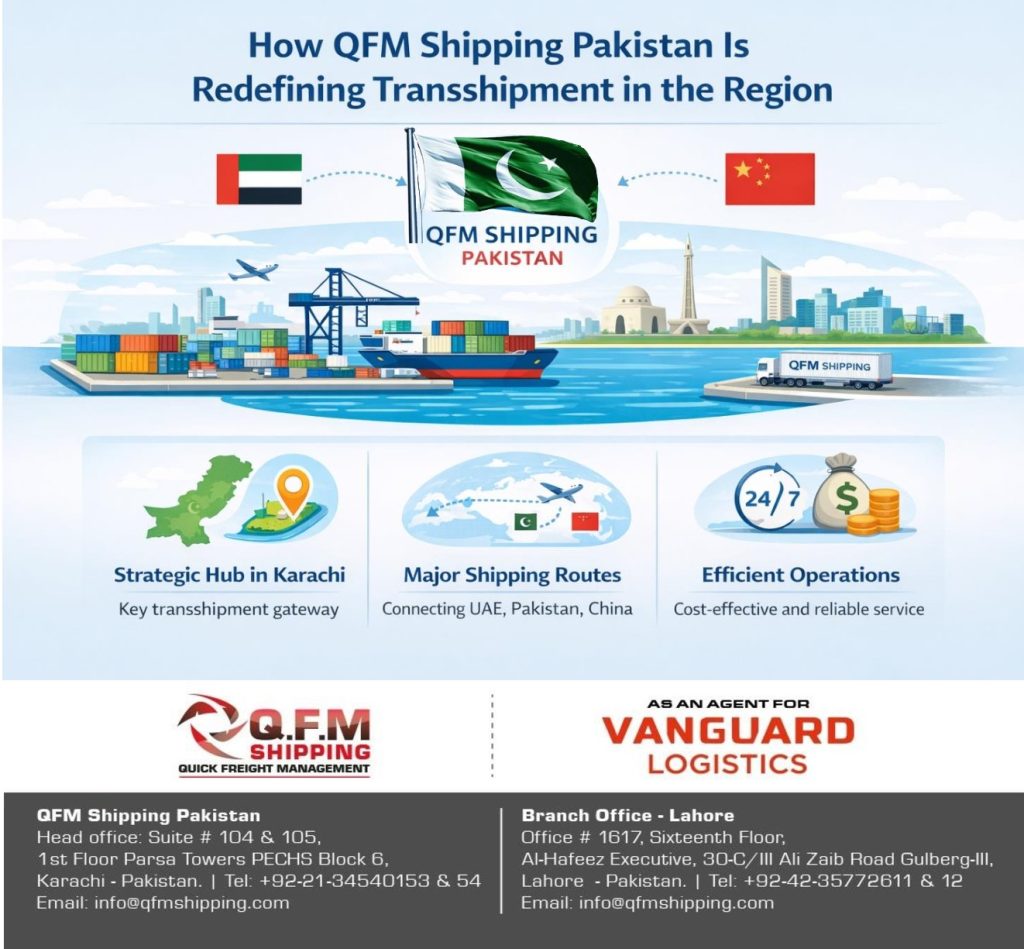
QFM Shipping Pakistan Redefining Transshipment A New Era of Transshipment in Pakistan The global logistics landscape is undergoing rapid transformation, and QFM Shipping Pakistan transshipment services are emerging as a game-changer in regional trade. With increasing disruptions in traditional shipping lanes and rising freight costs, exporters and importers are actively seeking smarter, faster, and more […]
Tag Archives: LCL shipping Pakistan
International Transportation, Shipping News
Pakistan LCL Transshipment Hub | A Strategic Breakthrough for Global Trade
29
Mar
Mar
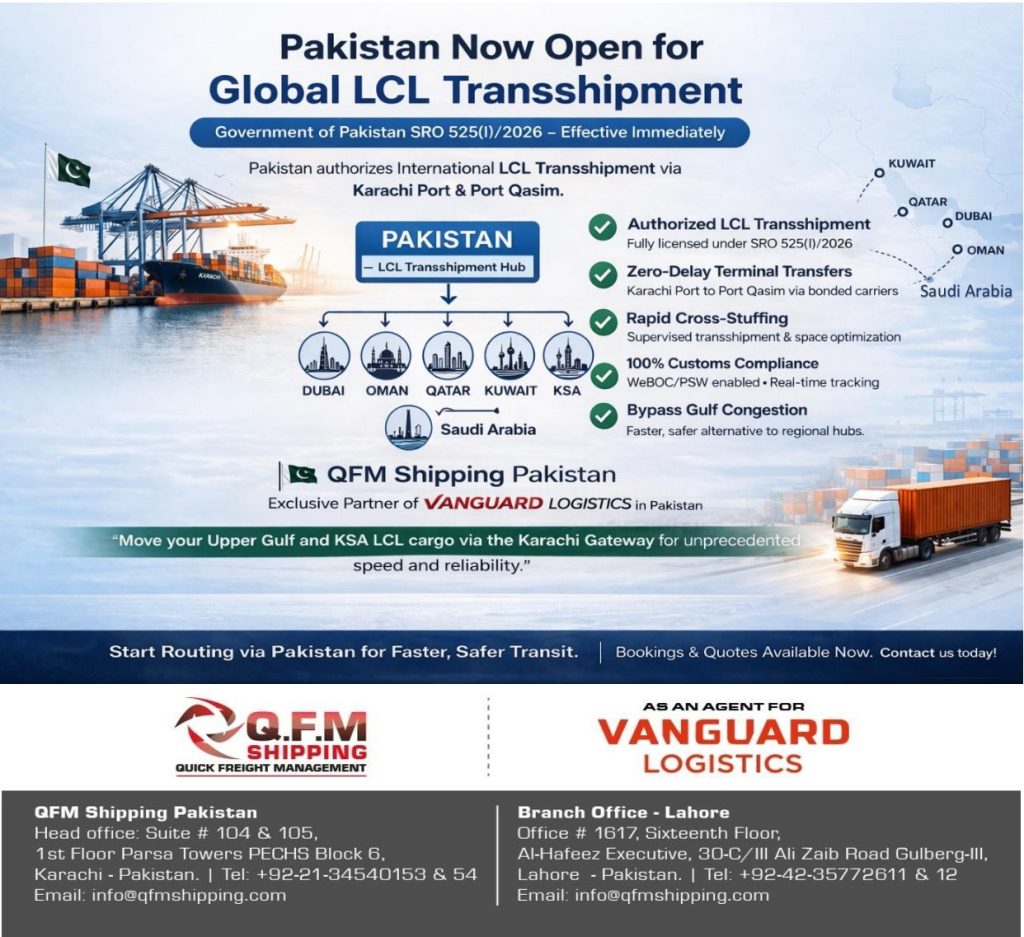
Pakistan LCL Transshipment Hub Opens New Trade Routes A New Era in Global Logistics The emergence of the Pakistan LCL transshipment hub marks a transformative milestone in international freight forwarding. With the Government of Pakistan introducing SRO 525(I)/2026, the country has officially authorized international LCL (Less-than-Container Load) transshipment via Karachi Port and Port Qasim. This […]
25
Mar
Mar
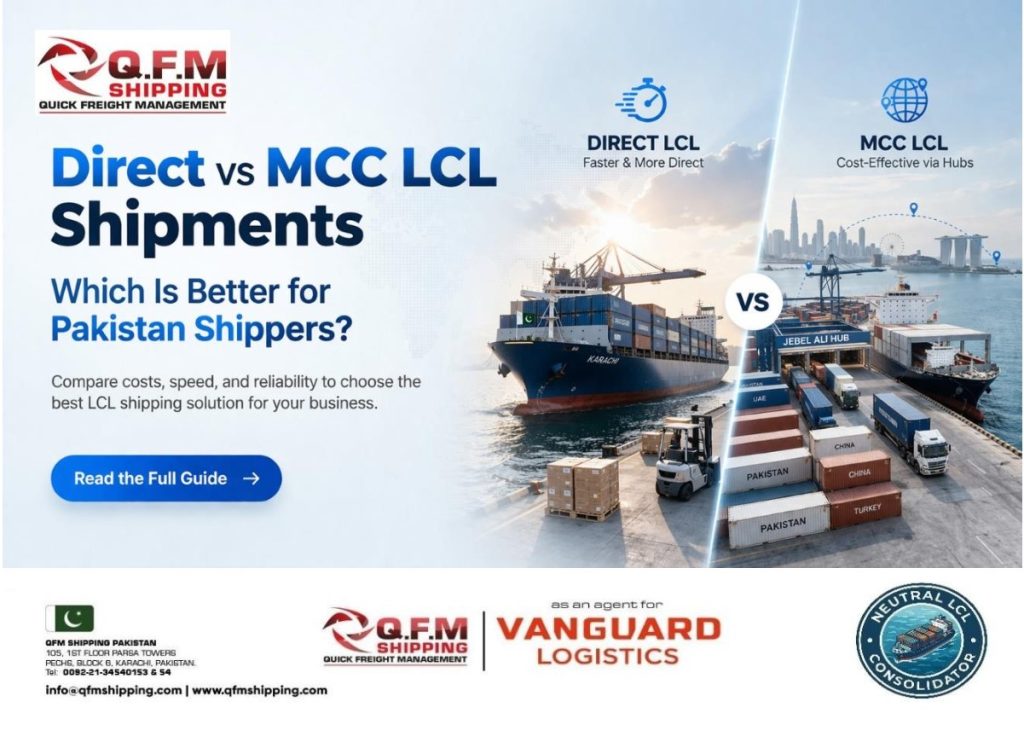
Direct vs MCC LCL Pakistan: Which Option Saves More for Shippers? In today’s volatile global shipping environment, choosing the right consolidation strategy can significantly impact cost, transit time, and shipment reliability. For exporters and importers, the debate around direct vs MCC LCL Pakistan shipping has become increasingly relevant. With rising freight rates, route disruptions, and […]
24
Mar
Mar
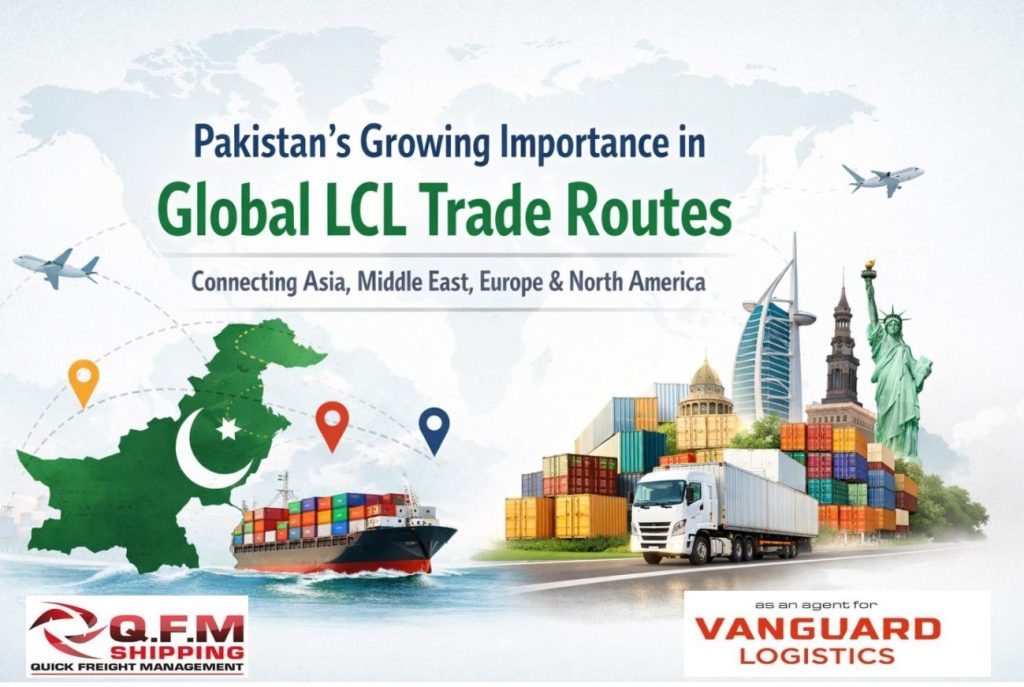
Pakistan’s Growing Importance in Global LCL Trade Lanes A Strategic Shift in Global Trade Global shipping dynamics are undergoing a structural transformation, and Pakistan LCL trade routes are emerging as a critical backbone for international logistics. As supply chains diversify and exporters seek cost-efficient solutions, Less-than-Container-Load (LCL) shipping is gaining unprecedented traction. Pakistan, with its […]
19
Mar
Mar
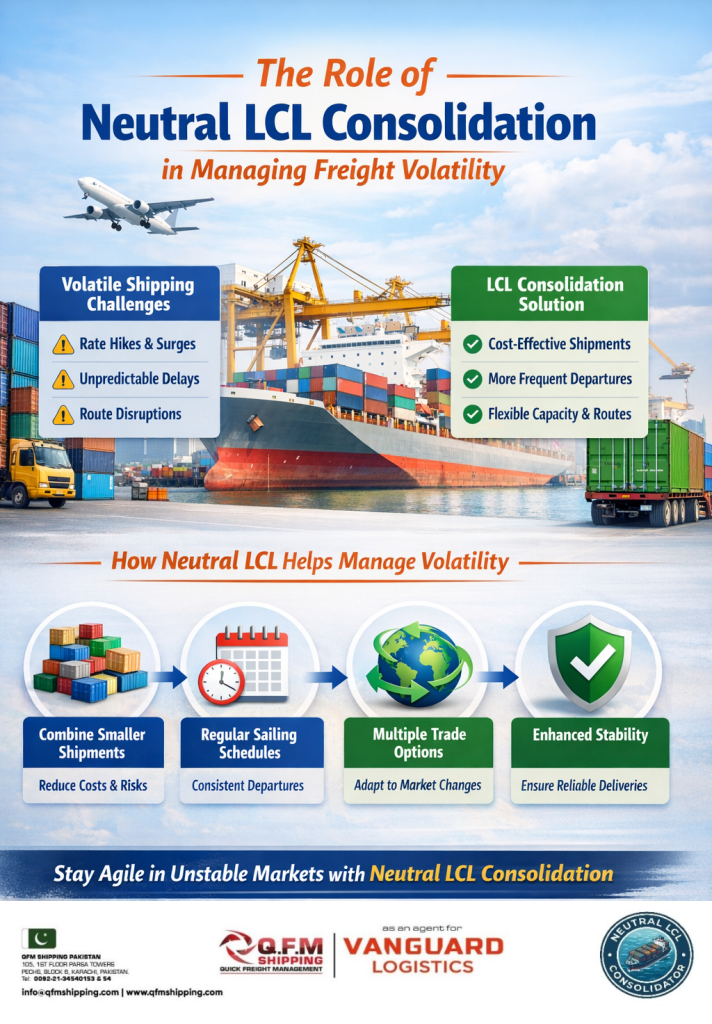
The Role of Neutral LCL Consolidation in Managing Freight Volatility Global shipping has entered a new era—one defined by disruption, unpredictability, and constant change. From geopolitical tensions and war risk surcharges to port congestion and fluctuating freight rates, exporters are navigating one of the most volatile logistics environments in decades. In this challenging landscape, neutral […]
International Transportation, Shipping News
Pakistan Export Logistics in 2026 | Challenges & Opportunities
12
Mar
Mar
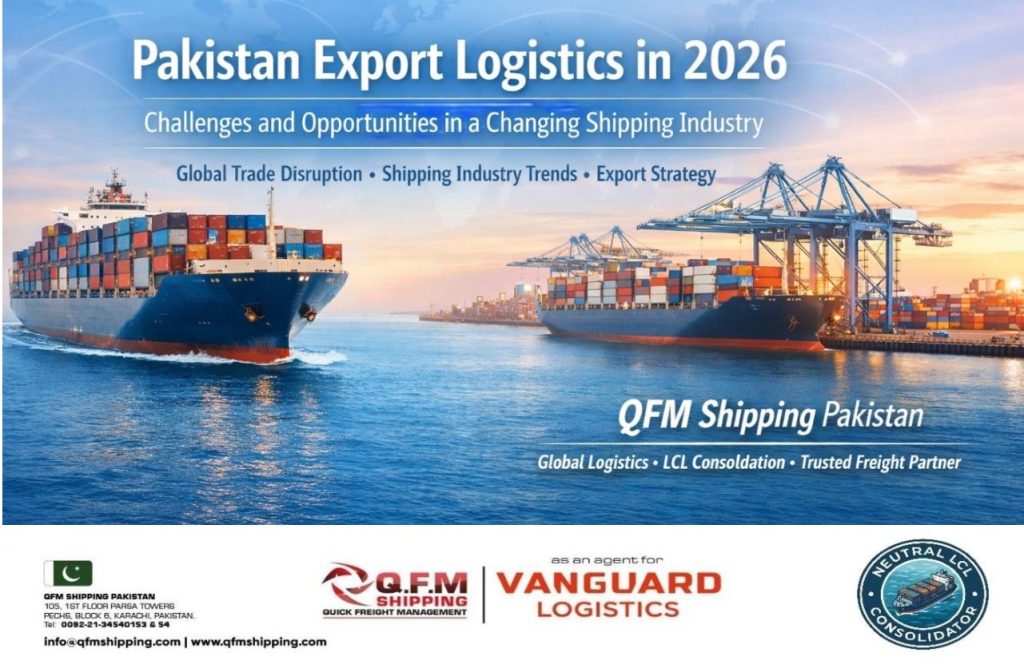
Pakistan export logistics is entering a transformative phase in 2026. Global supply chains continue to evolve due to geopolitical tensions, shifting manufacturing hubs, and changing maritime trade routes. For exporters in Pakistan—especially those in textiles, pharmaceuticals, sports goods, and agricultural products—these changes create both challenges and opportunities. Recent global trade disruption events, including regional conflicts, […]
23
Feb
Feb
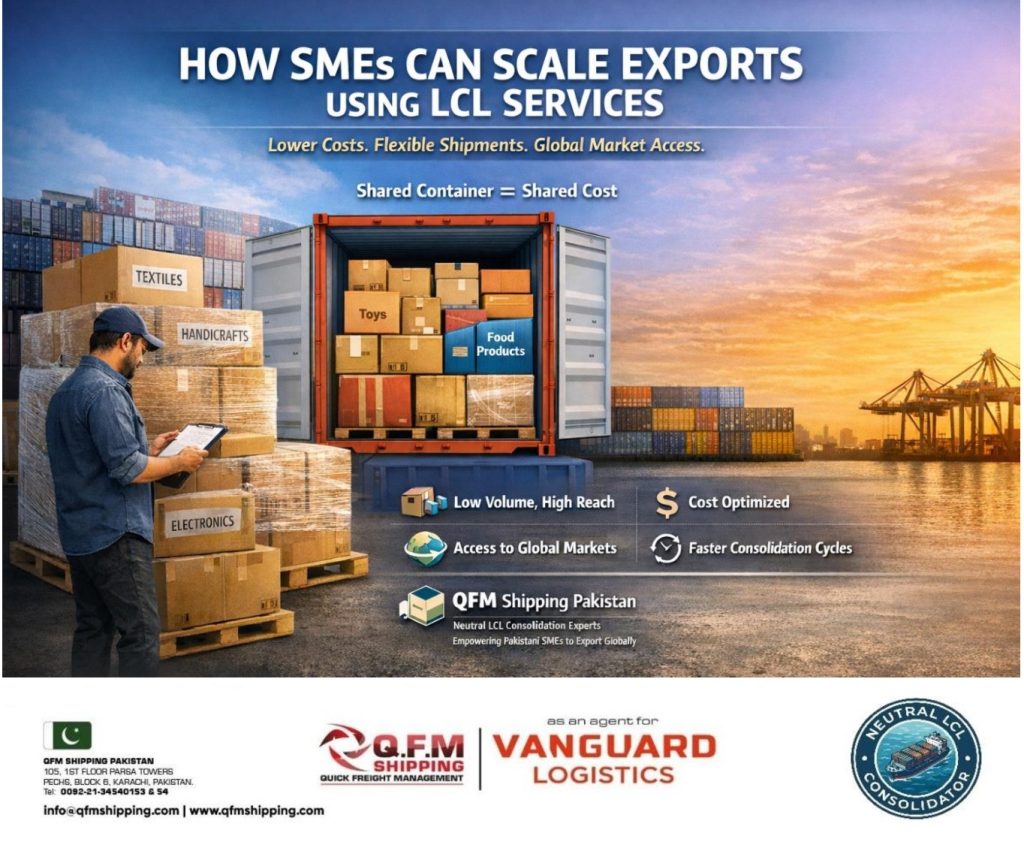
How SMEs Can Scale Exports Using LCL Services A Practical Guide for Growth-Focused Exporters For many small and medium-sized enterprises (SMEs), export expansion is not limited by demand — it is constrained by logistics. Traditional full container load (FCL) shipping often requires higher volumes, larger capital commitment, and longer inventory cycles. This is where […]
18
Feb
Feb
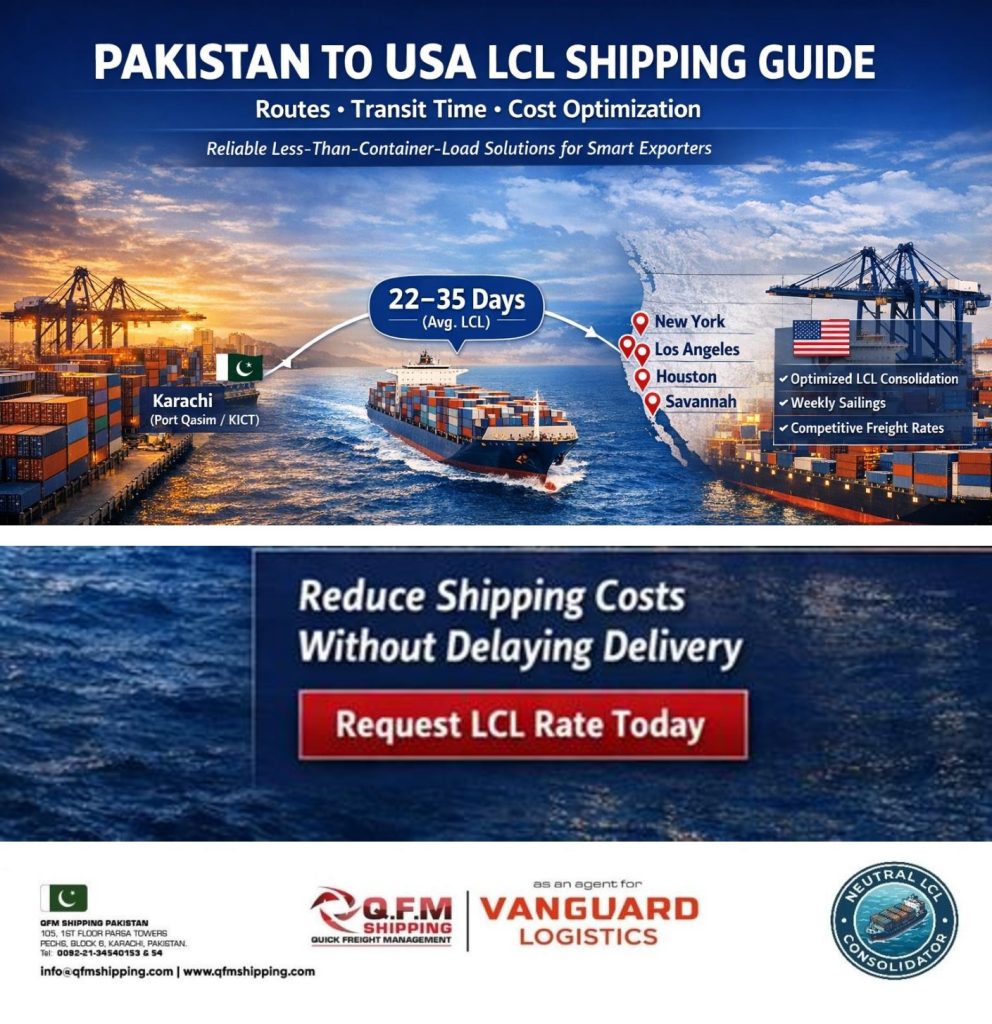
Pakistan to USA LCL Shipping Guide | Routes, Transit Time & Cost Optimization Shipping small volumes from Pakistan to the United States does not require booking a full container. Pakistan to USA LCL shipping enables exporters to move cargo efficiently, reduce working capital exposure, and maintain competitive landed costs. This guide provides a comprehensive breakdown […]
International Transportation, Shipping News
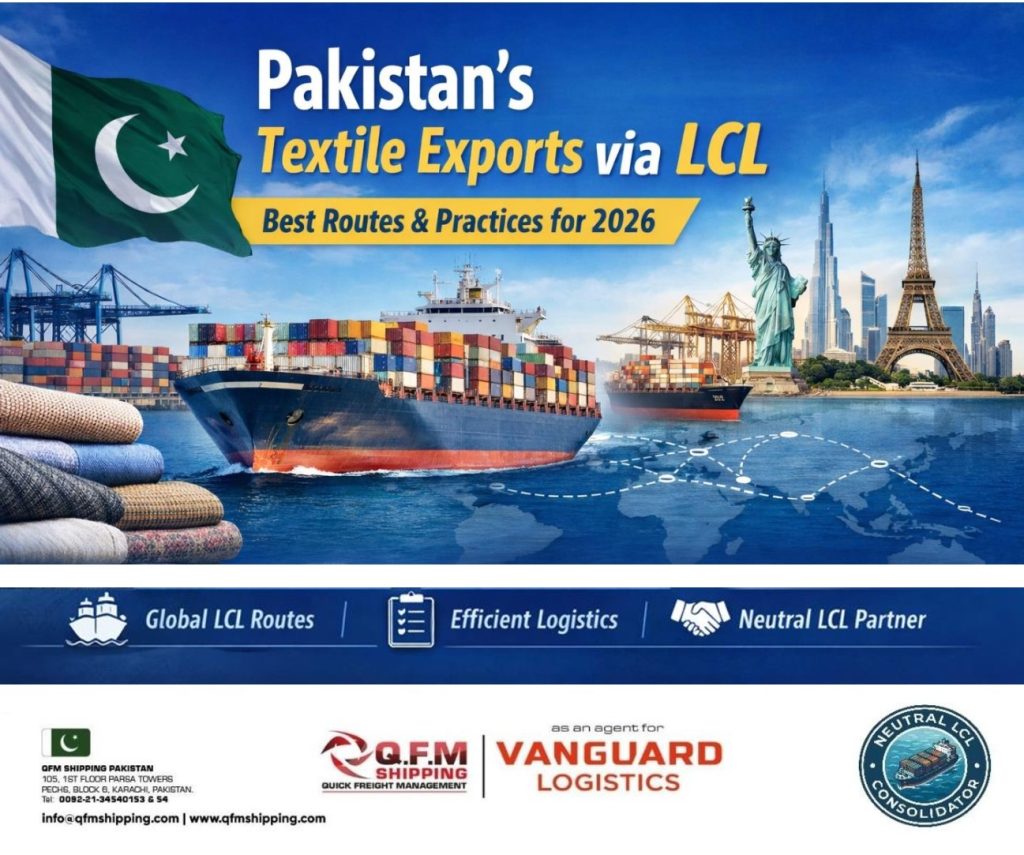
Pakistan’s Textile Exports via LCL | Best Routes & Practices for 2026
17
Feb
Feb
Pakistan’s Textile Exports via LCL: Best Routes & Practices for Cost-Effective Global Shipping IntroductionPakistan’s textile sector remains the backbone of the nation’s export economy, contributing over 60 % of total exports and employing millions across manufacturing and supply chains. In recent years, Less-Than-Container Load (LCL) shipping has emerged as a smart, flexible solution for textile […]
10
Feb
Feb
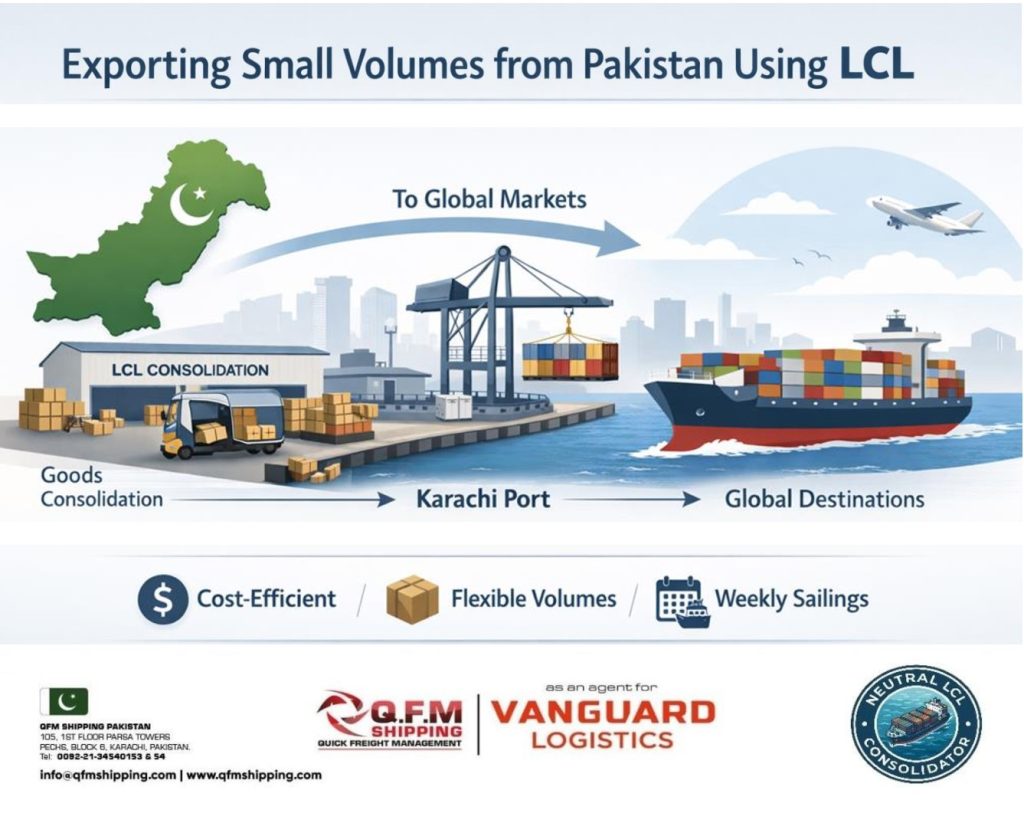
Exporting Small Volumes from Pakistan Using LCL Cost-Efficient Global Shipping for SMEs and Growing Exporters Intro (SEO-Optimized) Exporting small shipment volumes from Pakistan can be costly and inefficient if handled incorrectly. LCL (Less-than-Container Load) shipping provides exporters with a practical, scalable solution—allowing multiple shippers to share container space while accessing global markets affordably. This model […]
- 1
- 2