
Comprehensive Guide to Management Processes
Have You Ever Thought About the Complete Process of Logistics? For many businesses and professionals in the supply chain industry, logistics remains a complex and often misunderstood domain. It covers everything from procurement and transportation to inventory management and distribution. A well-organized logistics process can be the difference between a thriving enterprise and one that struggles with inefficiency, delays, and escalating costs. This comprehensive guide aims to shed light on the critical aspects of logistics management processes, combining insights, best practices, and emerging trends to help organizations optimize their supply chain operations.
Understanding the Complete Process of Logistics
Logistics is the backbone of supply chain management that ensures the right products reach the right place at the right time, in the right condition, and at the optimal cost. Understanding the complete process involves recognizing each interconnected step, from demand planning to delivery. Successful logistics management requires a strategic approach, integrating various functions into a cohesive system designed for efficiency and agility.
The Foundation of Logistics
Effective logistics begins with strategic planning, where organizations align their supply chain objectives with overall business goals. This stage involves assessing demand forecasts, resource allocation, and route planning. It sets the foundation for all subsequent activities, emphasizing the importance of anticipatory measures and data-driven decision-making.
Integration with Supply Chain Management
Logistics does not operate in isolation; rather, it is an integral part of the broader supply chain. Seamless integration among procurement, manufacturing, warehousing, and distribution channels is crucial for minimizing delays and reducing costs. The complete process is characterized by synchronization, visibility, and adaptability to dynamic market conditions.
Continuous Improvement and Optimization
The logistics landscape is constantly evolving, necessitating ongoing evaluation and refinement. Companies leverage real-time data and analytics to identify bottlenecks, forecast disruptions, and implement improvements. This cycle of continual enhancement ensures logistics processes remain lean, resilient, and aligned with changing business needs.
Key Components of Logistics Management
A successful logistics operation hinges on several core components that collectively facilitate smooth movement of goods and information. These components are interconnected and require careful coordination to achieve operational excellence.
Transportation and Distribution
Transportation is arguably the most visible aspect of logistics, involving the physical movement of goods via road, rail, air, or sea. Effective transportation management balances cost, speed, and reliability, often requiring complex routing and scheduling considerations. Distribution ensures goods are delivered to the right locations, whether warehouses, retail stores, or directly to consumers.
Warehousing and Inventory Control
Warehousing provides storage that allows for bulk handling, consolidation, and order customization. Effective inventory management reduces excess stock and stockouts, enhancing cash flow and customer satisfaction. Techniques such as just-in-time (JIT) and safety stock calculations are vital for maintaining optimal inventory levels.
Information and Communication Systems
Modern logistics depends heavily on accurate, real-time data sharing. IT systems like Transportation Management Systems (TMS), Warehouse Management Systems (WMS), and Enterprise Resource Planning (ERP) platforms facilitate visibility and coordination across all logistics functions. These tools support decision-making, tracking, and responsiveness, enabling a proactive rather than reactive approach.
Reverse Logistics
Reverse logistics refers to the process of handling returns, repairs, recycling, and disposal. An efficient reverse logistics process not only minimizes costs but also supports sustainability initiatives and enhances customer trust. Its integration into the overall logistics strategy reflects a holistic approach to supply chain management.
The Role of Supply Chain in Logistics
While logistics primarily focuses on the movement and storage of goods, its effectiveness is inherently tied to the entire supply chain. A well-orchestrated supply chain creates synergy that enhances efficiency and resilience.
Collaboration and Coordination Across Stakeholders
Supply chain success relies on strong collaboration among suppliers, manufacturers, shippers, and retailers. Open communication, shared data, and mutual trust enable synchronized actions, reducing delays and mitigating risks. Logistics serves as the operational link that brings these stakeholders together.
Impact of Supply Chain Flexibility
An adaptive supply chain allows for quick responses to market fluctuations, disruptions, or customer demands. Logistics must be agile, capable of re-routing shipments or adjusting inventory levels rapidly. This flexibility is crucial for maintaining service levels and competitive advantage.
Supply Chain Visibility and Transparency
Transparency across the supply chain enhances decision-making, risk management, and customer service. Technologies such as IoT sensors and blockchain facilitate real-time tracking and provenance verification, providing stakeholders with vital information. Logistics plays a key role in enabling this visibility, making data accessible and actionable.
Steps Involved in the Logistics Process
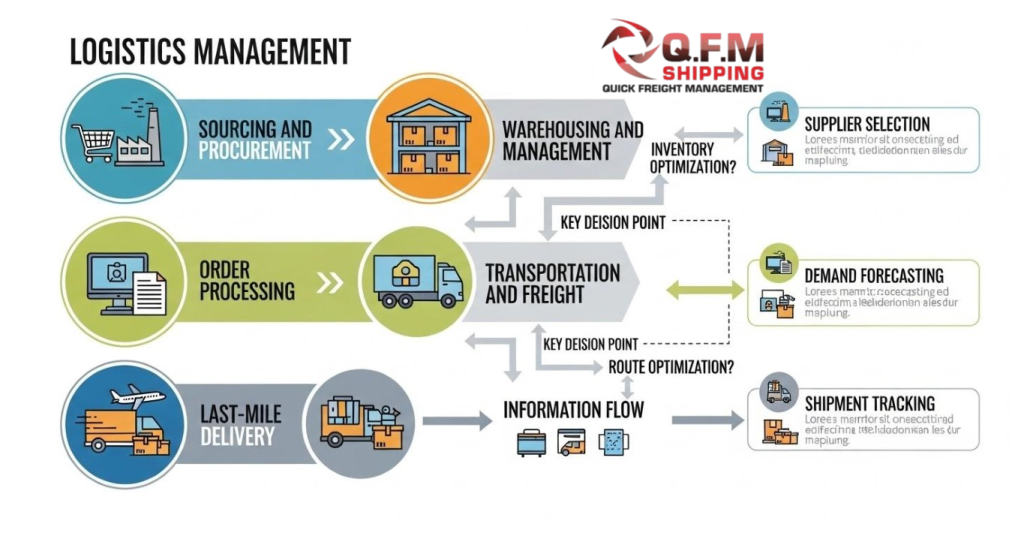
The logistics process comprises multiple sequential and sometimes overlapping steps, each critical for delivering value to the customer. Understanding these stages helps in designing, managing, and optimizing logistics operations.
Demand Planning and Procurement
The process begins with forecasting customer demand based on historical data, market trends, and sales projections. Accurate forecasting allows procurement teams to source materials efficiently, aligning supplier deliveries with production schedules and inventory needs. Strategic sourcing and supplier relationships are vital here.
Transportation Planning and Execution
Once procurement is complete, transportation planning involves selecting carriers, optimizing routes, and scheduling shipments. Execution includes coordinating pickups, monitoring transit conditions, and handling documentation. Effective planning reduces transit times and costs while ensuring delivery reliability.
Warehousing and Inventory Management
Goods arriving at warehouses are inspected, stored, and managed using various inventory techniques. This step involves organizing storage spaces, implementing inventory control policies, and preparing orders for dispatch based on customer requirements. The goal is to maintain the right stock levels and facilitate quick order fulfillment.
Order Fulfillment and Last-Mile Delivery
Order processing includes picking, packing, and preparing products for shipment. The last mile refers to the final leg of delivery to the customer, often considered the most complex and costly part of logistics. Innovations such as delivery drones or locker systems are transforming this stage for better efficiency.
Performance Monitoring and Feedback
The final step involves tracking key performance indicators (KPIs) such as delivery accuracy, transit time, and customer satisfaction. Continuous monitoring enables companies to identify issues and implement corrective measures. Feedback loops are essential for ongoing process optimization.
Challenges Faced in Logistics Operations
Despite advancements in technology and strategy, logistics faces persistent obstacles that can hinder performance. Recognizing these challenges is the first step toward overcoming them.
Volatility in Global Markets
Global events like political instability, pandemics, or economic downturns can disrupt supply and demand patterns, causing delays and cost escalations. Logistics teams must develop contingency plans and diversify supply sources to mitigate these risks.
Increasing Customer Expectations
Today’s consumers demand faster delivery times and real-time tracking. Meeting these expectations requires sophisticated infrastructure, which can be costly and complex to implement. Balancing service levels with cost-efficiency remains a constant challenge.
Infrastructure and Regulatory Constraints
Insufficient transportation infrastructure, regulatory hurdles, and border controls can slow down shipments and increase compliance costs. Logistics providers need to stay abreast of changing regulations and adapt strategies accordingly.
Sustainability and Environmental Impact
Companies face mounting pressure to reduce carbon footprints and implement eco-friendly practices. Green logistics involves rethinking packaging, transportation modes, and energy use, often requiring significant investments and innovation.
Talent Shortage and Skills Gap
The logistics industry often struggles with attracting and retaining qualified personnel. Automation and technology can fill some gaps, but strategic investments in workforce training remain essential for long-term success.
Technologies Transforming the Logistics Process
Technological innovation is reshaping the logistics landscape, enabling companies to operate more efficiently and responsively.
Artificial Intelligence and Machine Learning
AI-driven analytics optimize route planning, demand forecasting, and inventory management. Machine learning algorithms can predict disruptions and recommend proactive measures, reducing operational risks.
Internet of Things (IoT)
IoT sensors provide real-time data on vehicle locations, temperature conditions, and asset status. This visibility enhances decision-making and inventory tracking, significantly improving accuracy and speed.
Blockchain and Digital Tracking
Blockchain offers immutable records of transactions and product provenance, fostering trust and transparency. Digital tracking systems ensure end-to-end visibility and fast resolution of issues.
Automation and Robotics
Automated warehouses and delivery drones improve speed and reduce labor costs. Robotics are increasingly used for packing, sorting, and inventory handling, transforming traditional manual operations.
Data Analytics and Cloud Computing
Cloud platforms and advanced analytics enable scalable, flexible logistics information systems. Companies can analyze large datasets for insights that refine strategies and improve customer satisfaction.
Importance of Effective Logistics for Businesses
Efficient logistics directly impacts profitability, customer experience, and competitive positioning. It is often a key differentiator in highly competitive markets.
Cost Reduction and Profitability
Logistics management efficiency translates into lower transportation, warehousing, and administrative costs. Optimized processes mean better margins and strategic reinvestment opportunities.
Customer Satisfaction and Loyalty
Timely delivery, order accuracy, and clear communication foster trust and loyalty. Providing a seamless logistics experience is increasingly viewed as a critical component of brand reputation.
Market Expansion and Scalability
Robust logistics capabilities enable businesses to expand into new markets and accommodate growth without sacrificing service quality. Scalable logistics systems support long-term organizational objectives.
Competitive Advantage
Innovative logistics practices can serve as barriers to entry for competitors. Companies that leverage technology and strategies to streamline operations often outperform peers in responsiveness and cost-efficiency.
Sustainability and Corporate Responsibility
Effective logistics strategies that incorporate green practices improve environmental impact and brand perception. Sustainability is no longer optional; it’s an integral part of modern business success.
Best Practices for Streamlining Logistics Operations
Achieving optimal logistics performance requires disciplined execution, technology adoption, and strategic thinking.
Embrace Technology and Data-Driven Decisions
Investing in integrated systems like TMS, WMS, and analytics platforms enhances visibility and control. Accurate data supports proactive decision-making and continuous improvement.
Foster Strong Supplier and Partner Relationships
Building collaborative relationships with suppliers and carriers creates a more resilient and responsive supply chain. Transparent communication and shared goals are vital.
Focus on Process Standardization and Flexibility
Standardizing core processes reduces errors and inefficiencies. Simultaneously, maintaining flexibility allows adaptation to market changes and unforeseen disruptions.
Invest in Workforce Training and Automation
Combining human expertise with automation enhances productivity and safety. Regular training ensures staff can leverage new technologies effectively.
Implement Continuous Monitoring and Feedback Mechanisms
Regularly reviewing KPIs and soliciting stakeholder feedback helps identify areas for improvement. Establishing a culture of continuous improvement sustains momentum over time.
Future Trends in the Logistics Industry
The logistics sector is poised for exciting transformations driven by technology, sustainability, and evolving customer expectations.
Focus on Sustainability and Green Logistics
Future logistics strategies will prioritize eco-friendly practices, such as electric vehicles, sustainable packaging, and optimized routes to reduce emissions.
Adoption of Autonomous Vehicles and Drones
Autonomous trucks and delivery drones promise to lower costs, improve safety, and expedite delivery times, especially in last-mile logistics.
Integration of Artificial Intelligence in Decision-Making
AI will become even more integral, enabling predictive analytics, autonomous planning, and real-time responsiveness across the entire supply chain.
Emphasis on Resilience and Risk Management
Building resilient logistics networks capable of withstanding shocks, whether global disruptions or localized incidents, will be a strategic priority.
Expansion of E-commerce Logistics
The surge in online shopping necessitates innovations in delivery models, warehousing, and customer communication, emphasizing speed and convenience.
Case Studies: Successful Logistics Strategies
Examining real-world examples offers valuable insights into effective logistics practices.
Amazon’s Warehouse Automation
Amazon leverages robotics, AI, and data analytics in its fulfillment centers to maximize efficiency and throughput. Their seamless integration of technology ensures rapid delivery and high customer satisfaction, setting a benchmark for e-commerce logistics.
DHL’s Sustainability Initiatives
DHL has invested heavily in green logistics, including electric vehicles, alternative fuels, and sustainable packaging. Their commitment demonstrates that environmental responsibility can align with operational excellence and cost savings.
Maersk’s Digital Transformation
As a leader in shipping, Maersk has adopted digital platforms for route optimization, transparency, and fleet management. Their focus on innovation has improved reliability and reduced costs, positioning them as industry pioneers.
Walmart’s Inventory Management
Walmart’s advanced forecasting and inventory systems allow for just-in-time replenishment, resulting in reduced excess stock and improved supply chain agility. Their strategic partnerships with suppliers foster collaboration and efficiency.
FedEx’s Last-Mile Innovations
FedEx invests in new delivery methods, including electric bikes and locker systems, to enhance last-mile efficiency and sustainability. Their focus on technological advancement ensures they stay ahead in a competitive environment.
Conclusion
Understanding the complete process of logistics reveals a complex yet highly strategic domain that, when managed effectively, offers substantial benefits to businesses. From foundational planning and component integration to leveraging cutting-edge technology and preparing for future trends, the logistics management process is vital for operational success and competitive differentiation. Organizations that adopt best practices, embrace innovation, and prioritize sustainability will be best positioned to thrive in an increasingly dynamic marketplace. As supply chains become more globalized and customer expectations continue to evolve, mastering the logistics process remains—and will remain—a critical factor for growth, resilience, and excellence.
Getting Started is Easy
Ready to simplify your shipping? Contact us today for a free consultation and a custom quote. Our team is ready to design a logistics plan that will save you time, reduce costs, and give you peace of mind.
Contact Us:
-
Email: info@qfmshipping.com
-
Website: www.qfmshipping.com
