
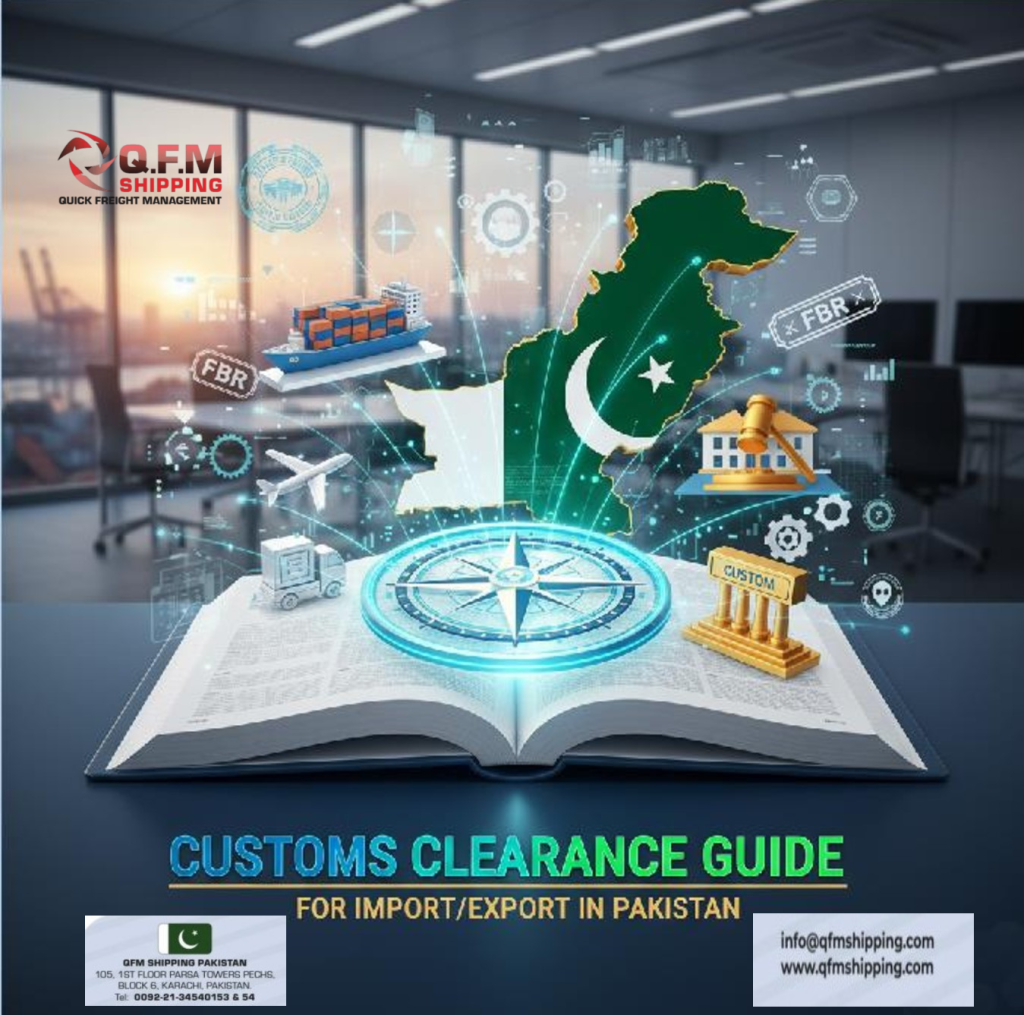
Customs Clearance Guide for Import/Export Pakistan
Managing customs clearance can feel like the most complicated part of doing business across borders. For many Pakistani importers and exporters, the process is filled with paperwork, regulations, and coordination with customs authorities. But with the right knowledge and preparation, you can make customs clearance smooth, efficient, and cost-effective.
This guide is tailored for local businesses and customers in Pakistan who want to understand the step-by-step process, required documents, and useful tips for successful import/export operations.
Why Customs Clearance Matters
Customs clearance is the process of getting approval from Pakistan Customs for goods entering (imports) or leaving (exports) the country. Without clearance:
-
Goods can get delayed at ports like Karachi Port, Port Qasim, or Gwadar.
-
Extra demurrage and detention charges may pile up.
-
Your shipment may even be seized for non-compliance.
Smooth customs clearance ensures:
-
Timely delivery of goods to your buyers/customers.
-
Transparency and compliance with Pakistan’s customs regulations.
-
Cost savings on penalties and storage.
Step-by-Step Customs Clearance Process
1- Documentation Preparation
Before your shipment arrives or departs, ensure you have the core documents ready:
-
Bill of Lading / Airway Bill – Proof of shipment issued by the carrier.
-
Commercial Invoice – Details of goods, value, and buyer/seller.
-
Packing List – Breaks down items, weights, and dimensions.
-
Letter of Credit (LC) or contract terms.
-
Import/Export Permit (if applicable) – Certain goods need specific permissions (e.g., medicines, chemicals).
-
Certificates – e.g., Certificate of Origin, Phytosanitary Certificate (for agricultural products).
2- Import Clearance (Pakistan)
For imports, the main steps are:
-
Arrival of Cargo at Karachi Port, Port Qasim, or airports (Karachi, Lahore, Islamabad).
-
Goods Declaration (GD) Filing via Pakistan Customs’ WeBOC system.
-
Assessment of Duties & Taxes – Customs calculates payable amounts like Import Duty, Sales Tax, Regulatory Duty, etc.
-
Examination & Inspection – Customs officers may inspect shipments for verification.
-
Payment of Duties through designated banks or e-payment gateways.
-
Release Order – Once duties are cleared and documents verified, goods are released.
3- Export Clearance (Pakistan)
For exports, steps include:
-
Booking Shipment with your freight forwarder (air/sea/road).
-
Preparation of GD in WeBOC system for exports.
-
Examination by Customs – Especially for sensitive or high-value cargo.
-
Approval & Gate Pass – Goods are cleared for loading onto vessel or aircraft.
-
Export Documentation shared with overseas buyers (Invoice, B/L, Certificate of Origin).
Common Challenges in Pakistan’s Customs Process
-
Incomplete Documents – Missing HS code, misdeclared goods, or lack of import permits.
-
High Duties – Importers often face higher costs due to regulatory duties on certain categories.
-
Delays at Ports – Congestion at Karachi Port and Port Qasim can cause shipment delays.
-
Policy Changes – Frequent changes in import/export policies and tariffs.
Tips for Local Customers & Businesses
-
Work with a Licensed Customs Agent – They understand WeBOC filings, duties, and can save time.
-
Know Your HS Code – Correct classification avoids penalties.
-
Plan for Duties & Taxes – Use customs calculators or consult agents before importing.
-
Stay Updated – Pakistan’s import/export policy changes frequently, especially for cars, electronics, and agricultural goods.
-
Avoid Demurrage – Clear goods within free days to avoid heavy port storage charges.
How QFM Shipping Can Help
As a trusted freight forwarder in Pakistan and UAE, QFM Shipping offers end-to-end support for customs clearance:
-
Filing GDs through WeBOC on your behalf.
-
Ensuring all permits and certificates are complete.
-
Coordinating with port authorities to reduce delays.
-
Providing transparent cost breakdowns for duties and taxes.
With our experience in Karachi post, and Port Qasim, we help SMEs, exporters, and overseas Pakistanis move goods with confidence.
Final Word
Customs clearance in Pakistan doesn’t have to be stressful. By preparing documents properly, working with experienced agents, and staying updated with rules, importers and exporters can save time, reduce costs, and keep shipments moving smoothly.
Whether you are importing raw materials for your factory, exporting textiles, or shipping cars, a solid understanding of customs clearance will make your business more competitive.
Getting Started is Easy
Ready to simplify your shipping? Contact us today for a free consultation and a custom quote. Our team is ready to design a logistics plan that will save you time, reduce costs, and give you peace of mind.
Contact Us:
-
Email: info@qfmshipping.com
-
Website: www.qfmshipping.com
Keywords
customs clearance Pakistan, import export Pakistan, Karachi port clearance, WeBOC GD filing, Pakistani import duties, export guide Pakistan, QFM Shipping customs services.
