
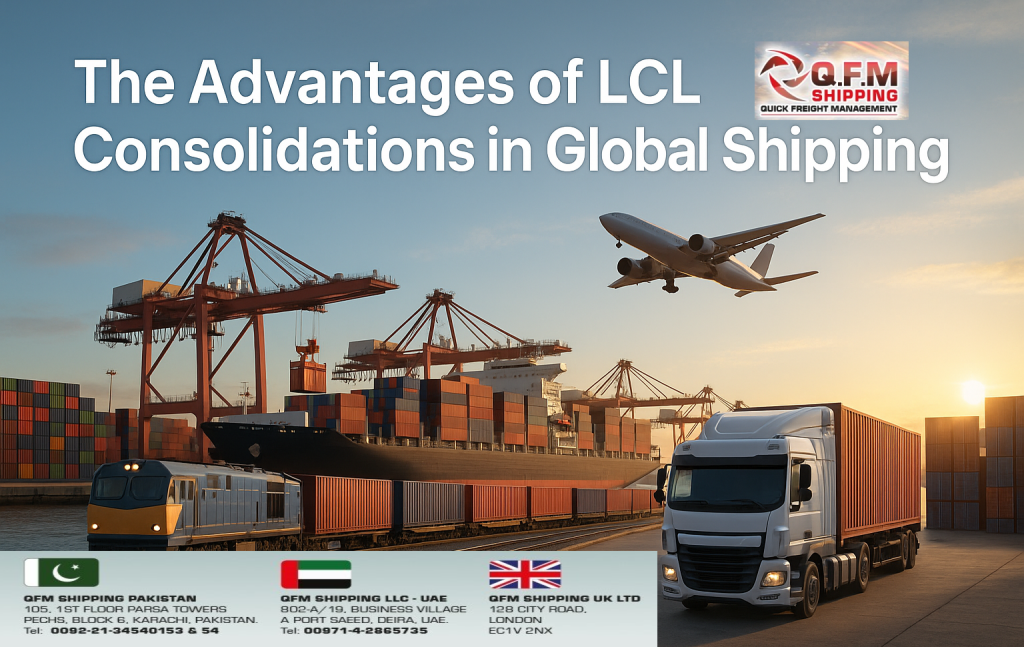
In the fast-paced world of global trade, efficiency and cost-effectiveness are key. Less than Container Load (LCL) consolidation has become an increasingly popular solution for small and mid-sized businesses looking to ship internationally without the burden of filling an entire container. LCL consolidations involve combining cargo from multiple shippers into one container, handled by a freight forwarder or consolidator. This method offers a host of advantages that cater to modern business needs, from reduced costs to increased flexibility.
1. Cost Efficiency
One of the most significant advantages of LCL consolidation is its affordability. Shippers only pay for the space their cargo occupies within a container, making it a cost-effective solution for companies that don’t have enough goods to fill a full container load (FCL). This shared cost model lowers financial barriers for businesses, especially startups and SMEs, allowing them to participate in international trade with lower overhead.
2. Improved Flexibility
LCL shipments offer greater scheduling flexibility. Since shipments are combined from various exporters, freight forwarders often run LCL containers on a regular schedule to popular ports. This means shippers can move goods more frequently, rather than waiting to accumulate enough volume for a full container. This agility supports better inventory management and faster response times to market demands.
3. Global Reach for Small Businesses
LCL consolidation opens up international markets to businesses of all sizes. Companies no longer need to commit to large volumes or make major capital investments to reach global customers. By leveraging LCL services, even small businesses can expand their supply chain internationally, access new customer bases, and compete with larger enterprises on a more level playing field.
4. Optimized Inventory Management
Because LCL allows for smaller, more frequent shipments, businesses can adopt just-in-time inventory practices. This reduces the need for large warehousing spaces and minimizes the risk of overstocking or product obsolescence. It also allows for better alignment between production cycles and customer demand.
5. Environmental Benefits
By consolidating multiple shipments into one container, LCL reduces the number of partially filled containers being transported, thus lowering fuel usage and greenhouse gas emissions per unit shipped. This makes LCL a more sustainable choice for eco-conscious businesses aiming to reduce their carbon footprint.
6. Professional Handling and Documentation
LCL consolidators typically manage all aspects of the logistics process, including customs documentation, cargo handling, and tracking. This expertise reduces the administrative burden on shippers and ensures a smoother shipping experience, particularly for businesses new to international logistics.
Conclusion
LCL consolidation is an innovative solution that supports efficient, cost-effective, and sustainable global trade. By enabling multiple shippers to share container space, it levels the playing field for smaller companies and adds flexibility to supply chain strategies. As international trade becomes more dynamic, LCL remains a smart choice for businesses seeking to optimize logistics without compromising on service quality or reach.
QFM SHIPPING – Your Trusted Logistics Partner
📞 Contact our Sales team today to get special deals!
QFM SHIPPING PAKISTAN
SUITE # 104 & 105 PARSA TOWERS
PECHS BLOCK 6 KARACHI PAKISTAN
TEL: +92-21-34540153 & 54
E-mail: sales.pkkhi@qfmshipping.com
Web: www.qfmshipping.com
