
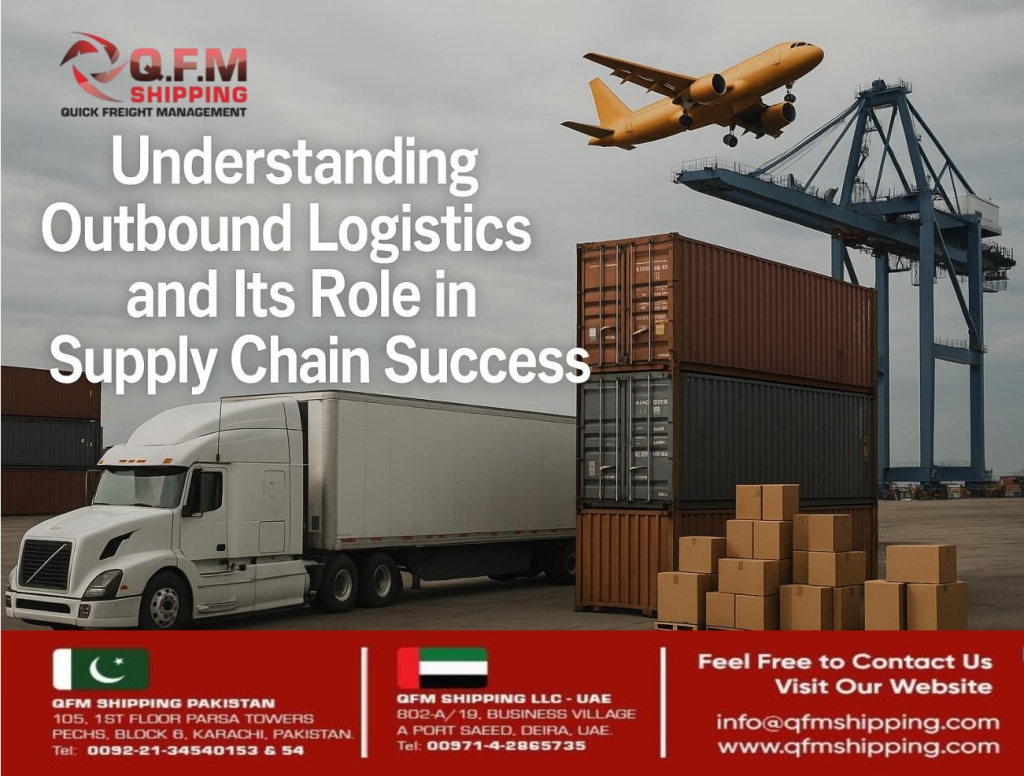
What is Outbound Logistics
The activities involved in moving finished products from production facilities or distribution centers to the end-user or customer. In today’s fast-paced and competitive market, the efficiency of these activities can significantly influence a company’s overall performance and customer satisfaction. Understanding the working details of outbound logistics is essential for businesses looking to optimize their supply chains and improve customer experiences.
Understanding Outbound Logistics
Outbound logistics encompasses a series of processes that deal with the transportation, storage, and distribution of finished goods to customers. Unlike inbound logistics, which focuses on the procurement and transportation of raw materials to production facilities, outbound logistics starts once the products are completed and ready for delivery. This means that all tasks involved in getting the product to the consumer fall under the umbrella of outbound logistics.
Definition and Scope
Outbound logistics includes several key processes such as order fulfillment, warehousing, inventory management, transportation, and distribution.
Order Fulfillment
Order fulfillment is the process of receiving, processing, and delivering orders to customers. This stage involves checking inventory levels, packaging items, and preparing shipments.
It is imperative that businesses streamline this process to minimize delays, reduce errors, and maintain customer satisfaction. Companies that excel in order fulfillment typically have robust systems in place, which enhances their reputation and customer loyalty.
Warehousing
Warehousing is another crucial component of outbound logistics. It involves the storage of finished goods in dedicated facilities until they are needed for shipment.
The design and management of warehouses play a critical role in ensuring efficient operations. Various strategies, such as implementing automated systems and utilizing optimal layout designs, can greatly improve the speed and accuracy of order fulfillment.
Transportation
Transportation is the final step before the product reaches the customer and includes selecting appropriate shipping methods, managing carriers, and ensuring timely delivery.
Firms need to balance cost-efficiency with reliability to maximize profitability while keeping customers happy. Choosing the right transportation modes (air, road, rail, sea) also impacts overall supply chain performance and can lead to significant cost savings if managed effectively.
Key Players in Outbound Logistics
Several stakeholders play vital roles in outbound logistics, including supply chain managers, logistics providers, and retail companies.
Supply Chain Managers
Supply chain managers are responsible for overseeing all aspects of outbound logistics. They coordinate between different departments to ensure smooth operations and must remain adept at adapting to changing market demands.
Being at the helm of these activities, they must also establish relationships with reliable logistics partners and make strategic decisions regarding inventory levels and delivery options.
Logistics Providers
Companies often collaborate with third-party logistics (3PL) providers to enhance their outbound logistics capabilities. These providers offer specialized services such as transportation management, warehousing, and distribution logistics.
Using 3PL allows companies to focus on their core competencies while benefiting from the expertise and resources of logistics experts.
Retail Companies
Retailers depend on outbound logistics to ensure that products get to their customers in a timely manner. Their role involves inventory management, coordination with suppliers, and addressing customer service concerns related to deliveries.
Retail companies must also adapt to changing consumer preferences and leverage technology to improve their outbound logistics operations.
The Importance of Outbound Logistics in Supply Chain
The role of outbound logistics in supply chain management cannot be overstated. Efficient outbound logistics greatly influences customer satisfaction, operational costs, and competitive advantage.
Customer Satisfaction
One of the primary determinants of customer satisfaction is the efficiency of the outbound logistics process.
When customers place an order, they expect prompt and accurate delivery of their products. A company that can deliver on these expectations can build strong relationships with its customers and encourage repeat business. Timely and reliable deliveries not only enhance customer loyalty but also set businesses apart from their competitors.
Operational Costs
Outbound logistics affects a company’s operational costs in several ways.
Firstly, efficient logistics operations can significantly reduce shipping and warehousing costs, which can lead to improved profitability. Employing strategies such as cross-docking can minimize storage times and reduce handling costs, thereby enhancing overall efficiency.
Moreover, the costs related to errors in order fulfillment also fall under the purview of outbound logistics. Errors can lead to returns, re-shipments, and dissatisfied customers, all of which contribute to increased operational costs.
Competitive Advantage
As competition intensifies in global markets, companies must strive to differentiate themselves from rivals. A well-oiled outbound logistics framework can be a key differentiator.
Businesses that excel in delivering their products on time and maintaining flexible logistics operations can position themselves as leaders in the market. This nimbleness allows firms to respond quickly to changes in demand, enabling them to capitalize on market opportunities while minimizing losses.
Key Activities in Outbound Logistics
Understanding the specific activities that comprise outbound logistics is important for companies seeking to optimize their supply chain. Clear recognition of these activities allows businesses to implement effective strategies and solutions targeting each component.
Transportation Management
Transportation management is a critical activity in outbound logistics that encompasses planning, execution, and optimization of product movement.
Route Optimization
The process begins with route planning, where logistics managers leverage technology to determine the most efficient delivery routes. Advanced algorithms and GPS tracking tools can assist in avoiding traffic congestion, minimizing travel time, and reducing fuel costs.
Carrier Selection
Choosing the right carriers is also vital for efficient transportation management. Companies need to assess various factors such as cost, reliability, and service quality to ensure that their goods are transported effectively.
Establishing solid relationships with carriers can help businesses negotiate better rates and service terms, further enhancing operational efficiency.
Performance Monitoring
Finally, monitoring transportation performance through Key Performance Indicators (KPIs) is essential for continual improvement. Companies should track metrics such as delivery times, costs per shipment, and carrier performance to identify areas for enhancement.
Emphasis on performance monitoring lays the groundwork for future logistics strategies and can contribute to a culture of continuous improvement within the organization.
Inventory Management
Effective inventory management plays a vital role in outbound logistics, ensuring that products are available for timely delivery and reducing excess inventory costs.
Demand Forecasting
Demand forecasting is an integral part of inventory management. Accurate predictions enable companies to stock appropriate amounts of finished goods, decreasing the risk of stockouts or overstock situations.
Employing historical sales data, seasonal trends, and market analysis tools can help businesses fine-tune their inventory levels.
Inventory Control Systems
Implementing inventory control systems gives companies better visibility into their stock levels and facilitates tracking and reporting.
These systems help businesses optimize their inventory management process by relying on real-time data for decision-making, reducing human error, and increasing overall efficiency.
Safety Stock Management
Safety stock management refers to maintaining additional inventory to guard against unexpected fluctuations in demand.
By determining optimal safety stock levels, companies can safeguard against stockouts during peak periods without incurring excessive carrying costs.
Order Fulfillment Processes
The order fulfillment processes form the heart of outbound logistics. To ensure seamless operations, businesses must evaluate each step involved in fulfilling an order.
Order Processing
Order processing involves receiving customer orders, validating them, and initiating the fulfillment process.
Utilizing automated order systems can streamline this process, reducing the possibility of human error and speeding up fulfillment times.
Packing and Labeling
Packing and labeling are essential final steps in order fulfillment. Properly packing goods ensures safe delivery while accurate labels minimize the chances of misdelivery.
Investing in packaging technology and adhering to best practices can bridge the gap between order placement and delivery.
Shipping and Delivery
Shipping and delivery culminate the order fulfillment process. Companies must choose appropriate carriers and manage shipping costs, ensuring timely delivery to customers.
Furthermore, providing transparent tracking information helps keep customers informed and increases satisfaction levels.
Challenges in Outbound Logistics Management
Despite its significance, managing outbound logistics is fraught with challenges that can adversely affect a company’s efficiency and customer relationships. Recognizing and ameliorating these challenges is crucial for maintaining a competitive edge.
Demand Fluctuations
Fluctuating demand patterns pose one of the greatest challenges for outbound logistics.
Seasonal Variations
For many industries, seasonal variations can result in surges or drops in demand. Companies must prepare for these fluctuations by adjusting inventory levels accordingly, which often requires close collaboration with suppliers and robust forecasting models.
Unpredictable Market Trends
Apart from seasonal variations, unpredictable trends such as economic shifts, changing consumer preferences, or sudden disruptions (like pandemics) make demand forecasting unpredictable, complicating inventory management and delivery efforts.
Complex Regulatory Compliance
Outbound logistics often requires adherence to various legal and regulatory frameworks, making compliance a challenge.
Shipping Regulations
Different countries have specific shipping regulations that companies must navigate to avoid costly penalties or shipment delays.
Staying compliant with labor laws, trade laws, and local regulations is vital to avoid disruptions in logistics operations.
Product Safety and Standards
Product safety standards must also be met in outbound logistics. Failure to meet required standards can result in recalls, which can lead to brand damage and loss of customer trust.
Conducting thorough inspections and maintaining stringent quality control processes are essential for mitigating these risks.
Technological Integration
Integrating technology into outbound logistics can pose various challenges.
Legacy Systems
Many companies rely on outdated legacy systems that may not integrate well with modern logistics technology. Businesses must address compatibility issues and consider investing in new systems to enhance visibility and efficiency in outbound logistics.
Employee Training
Moreover, employee training in new technologies can present a barrier to effective implementation. Ensuring that all employees are equipped with the necessary skills and knowledge is crucial for leveraging technology in outbound logistics.
Cost Management
Controlling costs within outbound logistics is essential for maintaining profitability.
Transportation Fees
Transportation costs are one of the most significant expenses in outbound logistics.
Companies must evaluate their shipping methods and negotiate with carriers to keep these costs in check while maintaining quality delivery service.
Labor Costs
In addition to transportation costs, labor costs associated with order fulfillment and warehouse management can be substantial.
Fostering employee productivity and optimizing labor resources, including considering automation, are key adjustments businesses can make to control labor expenses effectively.
Outbound Logistics Strategies for Efficiency
To overcome the challenges faced in outbound logistics management, businesses should adopt specific strategies designed to enhance efficiency and effectiveness.
Lean Principles in Outbound Logistics
Implementing lean principles can drive efficiency within outbound logistics operations.
Waste Reduction
Lean practices focus on identifying and eliminating waste in the supply chain.
Companies can streamline their processes, reduce excess inventory, and optimize transportation routes by utilizing the theory of constraints.
Continuous Improvement
Fostering a culture of continuous improvement within logistics teams encourages employees to seek out inefficiencies and propose innovative solutions that can enhance operations.
Encouraging regular feedback sessions and empowering teams can lead to gradual and sustained improvements over time.
Cross-Docking Strategies
Cross-docking refers to the process where products are unloaded from inbound transport vehicles and directly loaded onto outbound transportation with minimal storage time in between.
Benefits of Cross-Docking
This strategy reduces warehousing requirements, accelerates order fulfillment, and lowers operating costs.
By minimizing storage time, businesses can effectively reduce inventory holding costs and enhance overall efficiency.
Implementing Cross-Docking
Implementing cross-docking requires careful planning and coordination among various stakeholders, including suppliers and logistics providers.
Real-time communication and data-sharing tools can facilitate this collaboration and streamline the process for all parties involved.
Third-Party Logistics (3PL) Collaboration
Partnering with third-party logistics (3PL) providers can improve inbound and outbound logistics operations.
Access to Expertise
3PL partners bring industry knowledge and expertise, allowing companies to leverage their resources and capabilities for improved service.
Utilizing 3PL services can help businesses access advanced technology and skilled labor without needing a substantial upfront investment.
Cost Benefits
Collaboration with 3PL providers can lead to cost savings as they often have established relationships with carriers, enabling better rates and logistics solutions.
Moreover, outsourcing logistics can free up management attention and resources for core business operations.
Role of Technology in Outbound Logistics
The integration of technology has revolutionized outbound logistics, providing businesses with tools to improve efficiency, accuracy, and customer satisfaction.
Automation and Robotics
The use of automation and robotics has introduced significant shifts in outbound logistics operations.
Automated Order Fulfillment
Automated systems enable rapid order processing, minimizing the manual workload and improving accuracy.
Utilizing technologies such as warehouse management systems (WMS) and robotic picking systems allows for faster, more reliable operations while reducing the potential for human error.
Robotics in Warehousing
Robotic solutions for inventory management and order fulfillment improve speed and efficiency, enabling warehouse operators to meet high volume demands without overstretching staff.
Furthermore, robotics technologies can reduce labor costs while ensuring that quality and speed remain uncompromised.
Data Analytics
Data analytics provides businesses with valuable insights into their logistics operations.
Predictive Analytics
Employing predictive analytics allows companies to identify trends and optimize inventory levels, transportation routes, and fulfillment strategies.
Using complex algorithms to analyze historical data, they can forecast demand patterns, reducing the risk of stockouts or overstocks.
Performance Metrics
Performance metrics across outbound logistics can be monitored through data analytics tools.
Key performance indicators (KPIs) can be tracked and validated, enhancing operational oversight and promoting data-driven decision-making.
Internet of Things (IoT)
The Internet of Things (IoT) offers unprecedented visibility within logistics operations.
Real-Time Tracking
IoT technologies enable real-time visibility across the supply chain, allowing companies to track shipments and monitor inventory levels as items move through the distribution network.
Access to real-time data helps companies react promptly to potential disruptions, effectively managing supply chain risks.
Improved Inventory Management
IoT devices can also help streamline inventory management by automating stock level monitoring and triggering alerts when items need replenishing.
This automation leads to proactive inventory management and ensures that businesses remain responsive to customer demands.
Optimizing Outbound Logistics for Customer Satisfaction
Customer satisfaction ultimately forms the core focus of outbound logistics, as meeting and exceeding customer expectations enhances loyalty and builds long-term business relationships.
Understanding Customer Expectations
To optimize outbound logistics, it’s crucial to comprehend customer expectations.
Transparency and Communication
Transparent communication enhances customer trust and uncertainty.
Providing updates on shipping statuses and offering detailed tracking information keeps customers informed, creating a positive experience.
Responsiveness to Feedback
Listening to customer feedback is essential in understanding their needs and preferences.
Regular surveys or feedback mechanisms help organizations adapt their operations and align with changing consumer expectations.
Flexible Delivery Options
Offering flexible delivery options caters directly to diverse customer needs.
Multiple Shipping Methods
Providing customers with various shipping methods allows them to choose options that suit their budgets and timelines.
Businesses can offer express shipping, standard delivery, or even local pickups depending on the clientele and product type.
Last-Mile Delivery Innovations
Investing in last-mile delivery solutions, such as drone delivery and autonomous vehicles, can bolster customer satisfaction.
These innovations align with technological advancements and meet the growing demand for speedy deliveries, particularly in urban landscapes.
Return Management
An effective return management process is vital for maintaining customer satisfaction.
Streamlined Return Processes
Simplifying return procedures enhances the customer experience. Clear instructions, easy-to-print return labels, and quick processing times demonstrate a commitment to customer service.
Learning from Returns
Analyzing return data can help identify patterns and underlying issues, leading to continuous improvement in outbound logistics processes.
By addressing frequent reasons for returns, companies can refine their offerings and inventory management strategies.
Outbound Logistics Versus Inbound Logistics
Outbound logistics must be understood in the context of inbound logistics, which deals with the procurement of raw materials and their movement to production facilities. Both forms of logistics play essential roles in supply chain management but have distinct functions.
Focusing on Different Areas
Outbound logistics focuses on the distribution of finished products, while inbound logistics manages the influx of materials necessary for production.
The two functions must efficiently coordinate to ensure that the supply chain operates seamlessly.
Impact on Production Timelines
Any inefficiencies in inbound logistics can result in delays in outbound logistics.
If raw materials are not received in time, production schedules are disrupted, impacting the completion and delivery of finished goods.
Emphasis on Customer Relationships
While outbound logistics directly influences customer relationships through service delivery, inbound logistics impacts relationships with suppliers.
Supplier Versus Customer Communication
Inbound logistics requires robust supplier communication to ensure timely delivery of materials, while outbound logistics necessitates regular interaction with customers to manage expectations.
Cost Implications
Both inbound and outbound logistics have cost implications, but the nature differs.
Transportation and Inventory Costs
Outbound logistics often incurs higher transportation costs due to long-distance delivery, while inbound logistics may involve higher inventory holding costs.
Understanding these cost structures guides businesses in optimizing their supply chain management strategies.
Measuring Performance in Outbound Logistics
Measuring the performance of outbound logistics is essential for assessing efficiency and identifying opportunities for improvement. Key Performance Indicators (KPIs) provide valuable insights and benchmarks that allow businesses to refine their strategies.
Key Performance Indicators (KPIs)
Specific KPIs are used to evaluate various elements of outbound logistics performance.
On-time Delivery Rate
The on-time delivery rate measures the percentage of orders delivered by the deadline.
High on-time delivery rates correlate with customer satisfaction and can be an essential competitive differentiator in the marketplace.
Order Accuracy
Order accuracy, or the percentage of orders that are shipped correctly without errors, reflects the efficiency of order fulfillment processes.
Breakdowns in this metric can signal underlying issues in inventory management or packing procedures.
Customer Feedback Metrics
Customer feedback is an invaluable tool for measuring outbound logistics performance.
Net Promoter Score (NPS)
The Net Promoter Score (NPS) gauges customer satisfaction and loyalty through survey questions related to their likelihood to recommend a product or service.
A strong NPS indicates that the logistics operation is meeting customer expectations effectively.
Customer Satisfaction Surveys
Customer satisfaction surveys can provide direct insights into gaps in service delivery and highlight areas needing enhancement.
Using tailored surveys can garner feedback about delivery timelines, packaging quality, and overall customer experiences.
Continuous Improvement Practices
Utilizing performance measurements is crucial for fostering a culture of continuous improvement.
Performance Reviews
Regular performance reviews allow teams to assess KPI results and engage in targeted discussions about improvement strategies.
Employees can suggest solutions based on their experiences, promoting a collaborative environment where everyone contributes to improving outbound logistics.
Benchmarking Against Industry Standards
Benchmarking is vital in evaluating logistics operations against industry standards and best practices.
Identifying gaps between internal performance and industry leaders can help companies understand where they need to improve or innovate.
Future Trends in Outbound Logistics
The outbound logistics landscape is currently undergoing significant transformation driven by technological advances, evolving consumer expectations, and macroeconomic factors.
Sustainable Logistics Practices
Sustainability has become a major focus in logistics as individuals and companies strive to reduce their carbon footprints.
Eco-Friendly Packaging
The use of eco-friendly packaging materials and practices can resonate well with environmentally conscious consumers.
Companies that make a concerted effort toward sustainability will likely create a favorable brand image and build stronger customer loyalty.
Green Transportation Initiatives
Moreover, implementing green transportation strategies, such as electric trucks and alternative fuels, can reduce emissions associated with outbound logistics, appealing to a growing audience that prioritizes sustainability.
Advanced Technologies
Technological innovations such as blockchain, AI, and machine learning will continue shaping the effective management of outbound logistics.
Blockchain in Supply Chain Management
Blockchain technology can enhance supply chain transparency through secure and tamper-proof records.
This technology may lead to increased trust between supply chain stakeholders and assures customers of the integrity of their purchases.
AI-Driven Decision Making
Artificial intelligence enables companies to analyze large volumes of data and derive insights that enhance efficiency across outbound logistics processes.
Advanced algorithms can optimize route planning, predicting demand surges and leading to more effective inventory management.
Changing Consumer Expectations
Evolving consumer expectations pose both challenges and opportunities for businesses.
Same-Day Deliveries
Increasingly, customers expect quick and efficient delivery options, including same-day or next-day delivery.
Companies that can rise to meet these expectations will likely gain a significant competitive advantage in the market.
Personalized Experiences
Personalization of customer experiences, including tailored communication and order options, will become increasingly significant.
Logistics companies that focus on enhancing the customer experience will need to incorporate personalized elements into outbound logistics.
Conclusion
In summary, outbound logistics plays a pivotal role in supply chain success by managing the movement of finished products from production facilities to the customer. Efficiently overseeing these processes not only enhances customer satisfaction but also has profound implications for operational costs and competitive advantage. Companies must strive to optimize order fulfillment, transportation, inventory management, and technology integration to leverage the full potential of outbound logistics. Addressing the challenges that arise and strategically employing effective solutions will ensure that businesses remain resilient and adaptable in an ever-evolving market landscape.
Global shipping, made local. Global logistics, made simple.
That’s the QFM Shipping promise.
Contact QFM Shipping today and experience logistics reimagined.
