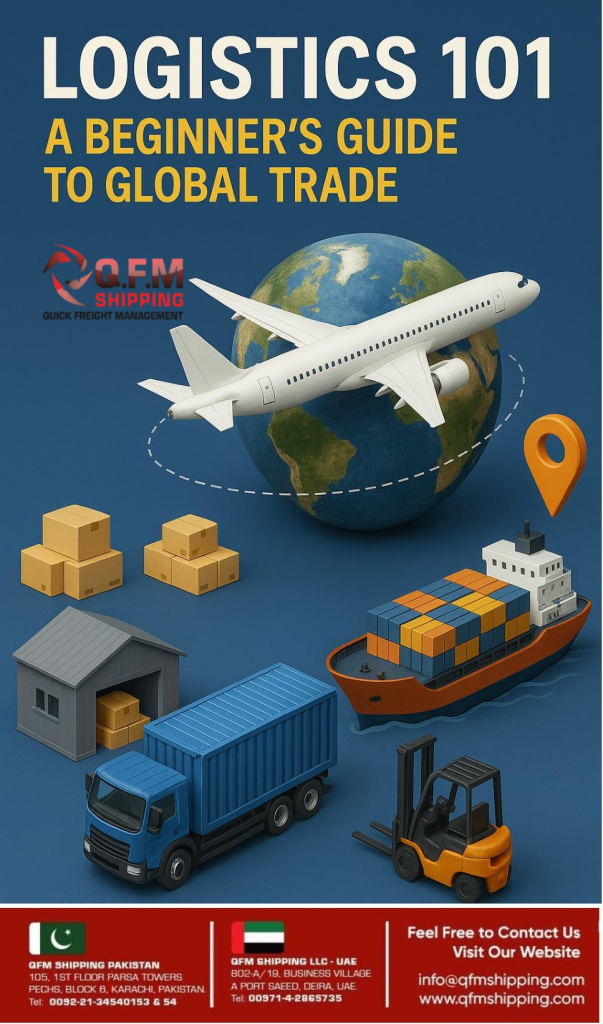
What is Logistics? A Beginner’s Guide to the Backbone of Global Trade. In an interconnected world, logistics serves as the fundamental framework that supports global trade. This article deals into the complexities of logistics, highlighting its vital role in connecting markets, facilitating commerce, and overcoming challenges in an ever-evolving landscape. Whether you’re a novice seeking foundational knowledge or an aspiring logistics professional looking to enhance your understanding, this guide will provide you with a comprehensive overview of logistics and its significant influence on global trade.
Understanding Logistics – A Comprehensive Overview
Logistics can be described as the management of the flow of goods, information, and resources from the point of origin to the point of consumption. It encompasses a wide range of functions, including transportation, warehousing, inventory management, and order fulfillment. Understanding logistics is crucial for anyone involved in international trade, as it directly impacts efficiency, cost reduction, and customer satisfaction.
The Evolution of Logistics
Over the years, logistics has evolved from basic transportation functions to a complex and sophisticated system critical to the functioning of modern economies. In the past, logistics was often seen as a standalone department focused primarily on transport and warehousing. However, technological advancements, rising consumer expectations, and global supply chain dynamics have transformed logistics into a strategic component of business operations.
The advent of technologies such as the Internet, RFID (Radio Frequency Identification), and advanced data analytics has played a major role in this evolution. Businesses are now leveraging these tools to optimize their logistical processes, allowing for real-time tracking of shipments, efficient inventory management, and enhanced supply chain visibility.
Importance of Logistics in Business Operations
Logistics has a direct impact on various key performance indicators (KPIs), including delivery speed, operational costs, and customer satisfaction levels. Effective logistics can provide a competitive advantage by enabling companies to streamline operations, meet consumer demand more effectively, and reduce overhead costs.
Moreover, logistics isn’t merely about transporting goods; it’s about creating value through the efficient management of resources. Companies investing in logistics often see improvements in profitability, better customer loyalty, and enhanced brand reputation because of their commitment to efficiency and quality service.
Key Trends in Modern Logistics
Several key trends are shaping the modern logistics landscape. These include sustainability initiatives, the rise of e-commerce, and demand for faster shipping solutions.
Sustainability has become a priority for many organizations, with consumers increasingly insisting on eco-friendly practices. Companies are re-evaluating their logistics strategies to reduce carbon footprints—using fuel-efficient transportation modes, optimizing delivery routes, and adopting green packaging solutions.
Additionally, the rise of e-commerce has significantly influenced logistics’ methods. With the demand for same-day or next-day deliveries swelling, logistics providers are now under pressure to innovate and find ways to fulfill customer expectations while managing costs effectively.
The Role of Logistics in Global Trade
Logistics serves as the enabling force behind global trade, facilitating the movement of goods across different countries and continents. This section explores the various aspects of logistics that contribute to the functioning of global trade.
How Logistics Facilitates Trade
Logistics plays a critical role in global trade by ensuring that products are delivered where they are needed, when they are needed. This involves a complex network of transportation, warehousing, and inventory management systems all working in unison.
International trade relies heavily on the infrastructure built by logistics, including ports, shipping lines, and distribution centers. These systems enable companies to export and import goods seamlessly, contributing to increased international commerce. Furthermore, logistics helps in managing the flow of information related to trade regulations, customs clearance, and documentation required for cross-border transactions.
Economic Impact of Efficient Logistics
Efficient logistics systems have a substantial economic impact on both local and global scales. By minimizing delays and streamlining the supply chain, businesses can reduce operational costs. According to various studies, improvements in logistics can directly correlate with improved GDP growth by increasing trade efficiency, which in turn boosts economic activity.
Logistics also plays a role in job creation. As companies expand their logistics networks, there is a natural demand for additional labor across various sectors, from truck drivers to warehouse staff, technology specialists, and logistics managers. These jobs stimulate local economies and contribute to societal welfare.
Trade Agreements and Logistics
Trade agreements, such as Free Trade Agreements (FTAs), facilitate global commerce by reducing tariffs and trade barriers. However, the implications of these agreements extend into logistics as well.
Logistics must adapt to the rules and regulations stipulated in these agreements. For example, when a trade agreement is enacted, companies often have to align their logistics operations with new customs regulations to ensure compliance. This can involve changes in documentation processes, shifts in traditional transport routes, or investments in new technology to better manage customs duties and tariffs.
Key Components of Logistics Explained
Understanding logistics requires a breakdown of its key components, which include transportation, warehousing, inventory management, order fulfillment, and customer service. Each component plays a unique role in facilitating the movement of goods.
Transportation in Logistics
Transportation is one of the most critical aspects of logistics. It involves moving goods from one location to another through various modes, such as trucks, ships, airplanes, and trains. The choice of transportation mode can significantly impact costs, transit times, and overall service quality.
Transporting goods internationally often presents unique challenges, including navigating customs regulations, incurring cross-border tariffs, and managing fluctuations in currency exchange rates. Businesses must select the most efficient transportation options while weighing costs, delivery times, and service reliability.
The rise of multimodal transportation solutions—combining multiple modes of transport in a single supply chain—offers companies increased flexibility, cost-effectiveness, and speed of delivery.
Warehousing: The Heart of Logistics
Warehousing serves as a crucial hub in logistics where goods are stored before reaching their final destination. Effective warehousing strategies enable businesses to efficiently manage inventory levels, reduce storage costs, and improve order fulfillment rates.
Modern warehousing is evolving with technology, as automated systems and robotics are increasingly integrated to enhance efficiency. Concepts such as Just-In-Time (JIT) inventory management are also becoming popular, emphasizing minimal inventory maintenance while ensuring timely product availability.
The location of warehouses is another key factor that businesses need to consider. Proximity to transportation hubs, supplier locations, and customer bases plays a vital role in logistics efficiency.
Inventory Management Essentials
Inventory management is pivotal in logistics, as it involves monitoring and controlling inventory levels to ensure that adequate goods are available while minimizing excess stock. Good inventory practices directly impact cash flow and operational efficiency.
Techniques such as Economic Order Quantity (EOQ) models, ABC analysis, and cycle counting can optimize inventory management by balancing supply and demand. With advancements in technology, businesses now leverage data analytics and machine learning to enhance forecasting accuracy and inventory visibility.
Managing seasonality and fluctuations in demand also becomes easier with effective inventory management practices. By aligning inventory levels with projected sales trends, businesses can reduce the risk of stock-outs or overstock situations.
Types of Logistics: An Introductory Guide
Logistics encompasses a variety of types, each tailored to different strategies and operational needs within businesses. Understanding these different categories will help beginners grasp the multifaceted nature of logistics.
Inbound vs. Outbound Logistics
Inbound logistics refers to the processes involved in receiving, handling, and storing raw materials and components needed for production. This stage is vital, as any disruption can directly affect a company’s manufacturing and productivity.
Conversely, outbound logistics encompasses the activities related to delivering finished products to customers, including packaging, transportation, and order fulfillment. Both inbound and outbound logistics must work in harmony to ensure smooth operations and customer satisfaction.
Third-Party Logistics Providers (3PL)
Third-Party Logistics (3PL) providers offer outsourced logistics services, handling various supply chain operations such as transportation, warehousing, and inventory management for businesses. Partnering with a 3PL can provide companies with flexibility, specialized expertise, and cost savings.
Using 3PL providers can enhance scalability, especially for businesses experiencing growth. This allows companies to focus their resources on core competencies while relying on logistics experts to manage complex supply chain functions.
Cold Chain Logistics
Cold chain logistics refers to the transportation and storage of temperature-sensitive products, such as pharmaceuticals, food, and biological samples. Maintaining specific temperature conditions is critical in these industries, where deviations can result in spoilage, loss of efficacy, or regulatory breaches.
Managing a cold chain logistics system requires specialized equipment, sophisticated monitoring systems, and strict adherence to regulations. While challenging, the growth in demand for perishable goods has made cold chain logistics an increasingly prominent area within the logistics sector.
Logistics Terminology: Essential Terms to Know
As with any field, logistics has its own unique terminology that can be overwhelming for beginners. Familiarizing yourself with key terms will enhance your understanding and facilitate communication within the industry.
Supply Chain
The supply chain entails the entire network involved in producing and delivering a product, from the initial supplier to the end consumer. It includes a variety of stakeholders, including manufacturers, distributors, retailers, and logistics providers. Understanding the supply chain is crucial for grasping logistics as a whole.
Freight Forwarding
Freight forwarding is a logistics service that manages the shipment of goods on behalf of a company. Freight forwarders help in navigating complex shipping processes by arranging transportation, booking space with carriers, and managing customs operations to ensure smooth shipping.
Lead Time
Lead time refers to the period it takes from placing an order to receiving the goods. It includes order processing, production time, transportation duration, and customs clearance. Managing lead times effectively is critical for customer satisfaction and operational efficiency.
The Supply Chain: How Logistics Connects Markets
The supply chain is the backbone of logistics, connecting markets and businesses through various stages of product movement. Understanding the intricacies of the supply chain is essential for grasping how logistics influences global trade.
The Stages of the Supply Chain
The supply chain consists of several interconnected stages, including sourcing, manufacturing, distribution, and retail. Each stage presents unique logistical challenges that demand tailored solutions.
Sourcing involves procuring raw materials and components, requiring strong supplier relationships and effective transportation solutions. Manufacturing then transforms these inputs into final products, necessitating efficient production planning and inventory management. Distribution plays a pivotal role in delivering these products to retailers or end consumers, using a range of logistical strategies to ensure timely delivery.
Logistics Coordination in the Supply Chain
Effective logistics coordination is vital for maintaining supply chain efficiency. Companies must collaborate with various stakeholders, including suppliers, manufacturers, distributors, and logistics providers, to optimize processes and mitigate risks.
This collaboration often relies on technology, such as integrated supply chain management systems, which provide real-time visibility into operations, inventory levels, and shipment statuses. Enhanced communication leads to better decision-making, fostering agility and responsiveness in an ever-changing market.
Supply Chain Resilience
Recently, global disruptions like the COVID-19 pandemic have highlighted the need for resilient supply chains. Companies that prioritize supply chain resilience can better withstand unforeseen challenges, reducing the risk and impact of disruptions.
Adopting a multi-sourcing strategy, diversifying suppliers, and investing in technology can enhance supply chain resilience. By building more flexible networks, companies can mitigate risks and respond quickly to changes in demand or supply.
Technological Advancements in Logistics
The logistics field is being revolutionized by technological advancements that enhance efficiency, accuracy, and customer satisfaction. Understanding these technologies is essential for anyone interested in logistics.
Automation in Logistics
Automation is reshaping logistics by streamlining processes and reducing reliance on manual tasks. Automated technologies such as robotics, autonomous vehicles, and drone delivery systems are increasingly adopted to improve efficiency.
Automation can result in significant cost reductions and increased speed, particularly in warehousing and order fulfillment processes. Automated sorting systems, for example, can speed up the picking and packing of orders, ultimately reducing operational lead times.
Blockchain Technology
Blockchain technology has the potential to transform logistics by providing transparent and secure data sharing across the supply chain. This decentralized ledger system enables real-time tracking of goods, improving traceability and accountability.
Blockchain can enhance trust between stakeholders, facilitate quicker payments, and reduce fraud in supply chain transactions. Companies that embrace this technology may see improvements in operational efficiencies and reduced costs.
Big Data and Analytics
Big data analytics is another game-changer in logistics, enabling companies to make data-driven decisions to enhance processes. Analyzing vast datasets allows businesses to identify trends, forecast demand more accurately, and optimize routing and inventory management.
With predictive analytics, logistics managers can anticipate fluctuations in demand and adjust their strategies accordingly, leading to improved service levels and customer satisfaction.
Challenges in Logistics Management
While logistics is integral to global trade, it is not without its challenges. Understanding these hurdles can equip businesses with the knowledge to navigate them successfully.
Rising Operational Costs
Increasing operational costs are a major challenge facing logistics providers, driven by factors such as fuel price fluctuations, labor shortages, and regulatory compliance. Companies must find innovative ways to manage these costs while maintaining service quality.
Investing in technology can help optimize operational efficiencies, potentially offsetting rising costs by reducing manual labor, improving shipping routes, and minimizing waste.
Regulatory Compliance
Navigating regulatory compliance is a significant challenge in logistics, especially for international trade. Different countries impose various customs regulations, tariffs, and duties, requiring thorough knowledge and preparedness to avoid costly penalties.
Companies need to stay informed about changes in regulations to ensure compliance and maintain smooth operations. Partnering with experienced logistics providers or compliance specialists can be beneficial in managing these complexities.
Supply Chain Disruptions
Geopolitical tensions, natural disasters, and global pandemics can cause severe disruptions in supply chains. Such events can lead to delays in shipping, shortages of essential materials, and increased costs.
Building resilience in supply chains involves diversifying suppliers, adopting flexible sourcing strategies, and leveraging technology to enhance visibility and risk management.
The Future of Logistics in Global Commerce
As global commerce continues to evolve, so too will logistics. Understanding the upcoming trends and potential transformations is crucial for logistics professionals and businesses engaged in international trade.
Emphasis on Sustainability
Sustainability will be a vital focus for the logistics industry moving forward. Consumers are increasingly demanding environmentally friendly practices, pushing companies to adopt green logistics strategies.
This includes implementing eco-friendly packaging, optimizing transportation networks to reduce emissions, and focusing on circular supply chains that minimize waste. Companies prioritizing sustainability will likely enhance brand loyalty and capture market share.
Increased Digitalization
Digital transformation will continue to redefine logistics, with more companies adopting digital tools and technologies. Embracing digital solutions will increase efficiency, improve visibility into supply chains, and enable data-driven decision-making.
From using advanced routing software to implementing warehouse management systems and leveraging IoT (Internet of Things) devices, digitalization will enhance operational performance and customer service in logistics.
The Role of E-commerce
The growth of e-commerce is reshaping logistics operations. As consumers demand faster deliveries and seamless shopping experiences, logistics providers are compelled to innovate continuously.
Last-mile logistics, which addresses the final delivery of products to customers, will increasingly become a focal point for businesses. Companies will need to implement creative solutions to meet consumer expectations while managing costs and operational efficiency.
Getting Started in Logistics: Tips for Beginners
For those new to the field of logistics, understanding the essential steps to enter this dynamic industry is important. Here are some practical tips for beginners.
Understand the Basics
Start by building a solid understanding of logistics fundamentals. Familiarize yourself with key concepts, terminology, and the various functions that logistics encompasses. Reading industry literature, enrolling in courses, or engaging in online forums can provide valuable insights.
Having a strong grasp of logistics basics will serve as a foundation for more advanced topics and specialized knowledge.
Build a Professional Network
Networking is crucial in the logistics industry. Attend trade shows, industry conferences, and seminars to connect with professionals in the field. Building relationships with others in logistics can lead to job opportunities, mentorship, and access to valuable resources.
Social media platforms, particularly LinkedIn, are also useful for networking. Joining relevant groups and participating in discussions can help you build connections and remain informed about industry trends.
Gain Practical Experience
Ideally, seek internships or entry-level positions to gain hands-on experience in logistics. Practical experience enables you to apply theoretical knowledge in real-world situations, enhancing your understanding and skill set.
Starting in operational roles, such as in a warehouse or freight forwarding, can serve as a stepping stone to more advanced positions, allowing you to move up in the logistics sector.
Conclusion
Logistics is a fundamental aspect of global trade that encompasses a range of functions aimed at managing the flow of goods, information, and resources. As economies become increasingly interconnected, the importance of logistics will continue to grow. By understanding the key components, challenges, and trends within logistics, newcomers to the field can better navigate this complex and dynamic industry. Whether through technological advancements, sustainable practices, or fostering supply chain resilience, the future of logistics is dynamic, offering opportunities for innovation and growth in global commerce.
Getting Started is Easy
Ready to simplify your shipping? Contact us today for a free consultation and a custom quote. Our team is ready to design a logistics plan that will save you time, reduce costs, and give you peace of mind.
Contact Us:
- Email: info@qfmshipping.com
- Website: www.qfmshipping.com
